Dharashiv Zilla Parishad Implements Evening TV Blackout to Enhance Student Academic Performance
In a bold move aimed at fostering better study habits among school children, the Dharashiv Zilla Parishad (ZP) has unveiled a comprehensive campaign that will enforce a mandatory television blackout across all villages under its jurisdiction. The initiative, announced from Chhatrapati Sambhajinagar, requires households to keep televisions and other electronic gadgets switched off between 7pm and 9pm daily.
Campaign Details and Implementation Strategy
ZP president Archana Patil detailed the plan on Thursday, emphasizing that this measure is designed to ensure children dedicate uninterrupted time to their studies. "We are launching this initiative to create a disciplined study environment at home, particularly benefiting students from economically weaker sections enrolled in ZP schools," Patil stated.
The campaign is set to commence in mid-May, allowing students to acclimate to the new schedule before schools reopen in June. To facilitate compliance, special teams comprising ZP employees, including teachers and Accredited Social Health Activist (ASHA) workers, will be appointed to monitor implementation across more than 700 villages in the district.

Patil explained, "In every village, a siren will sound at 7pm to signal the switch-off of TVs and gadgets, and another at 9pm to indicate they can be turned back on. This structured approach aims to minimize distractions and promote academic focus during these critical evening hours."
Addressing Declining Enrolments with Educational Reforms
Alongside the TV blackout, the ZP administration has decided to reintroduce semi-English-medium education in its schools starting from the upcoming academic year. This decision comes in response to a significant decline in student enrolments, which dropped by approximately 9,000 students over the past two years following the discontinuation of semi-English sections.
Officials noted that many parents have been transferring their children to private English-medium schools, imposing additional financial burdens on poor families. The enrolment decline also rendered 247 teaching posts redundant, highlighting the urgency of this educational reform.
Infrastructure and Community Development Initiatives
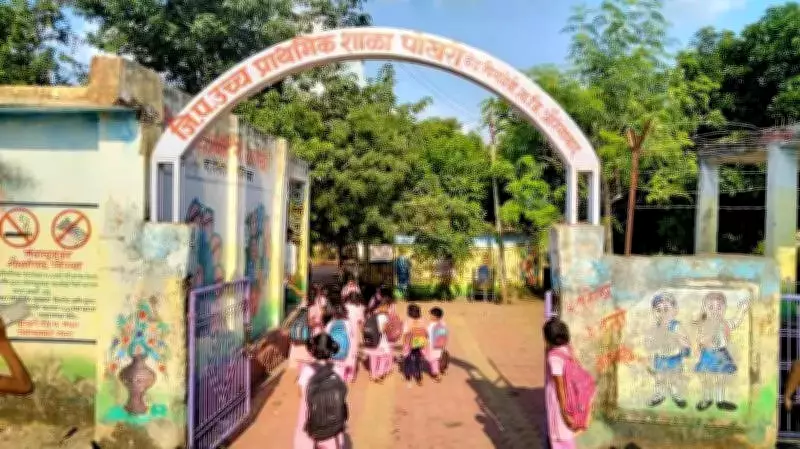
The ZP is further prioritizing infrastructure improvements to enhance the learning environment. Plans include constructing modern toilets in all schools and focusing on building new classrooms rather than merely repairing existing ones. These efforts are part of a broader strategy to revitalize ZP schools and make them more attractive to students and parents.
In addition to educational measures, the administration is intensifying efforts in women's empowerment and nutrition. Nutritional support will be extended to pregnant women and adolescent girls through anganwadis, with strengthened tracking of expectant mothers to combat malnutrition. Health services will continue to be delivered by ASHA workers, ensuring comprehensive community welfare.
This multi-faceted approach underscores the ZP's commitment to not only improving academic outcomes but also fostering overall community development in Dharashiv district.