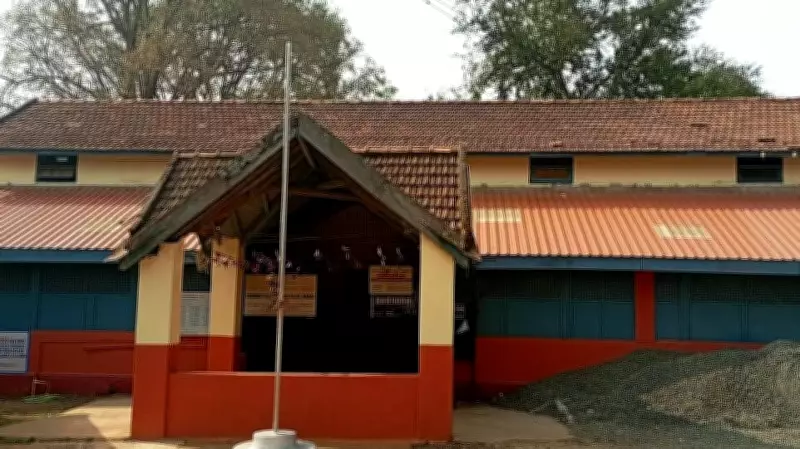
Dharwad's Government Pre-University Colleges Grapple with Severe Staffing Crisis
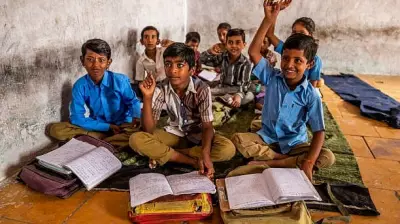
The academic landscape in Dharwad district is facing a significant challenge due to a critical shortage of staff in government pre-university (PU) colleges. This issue is directly impacting the quality of education and hindering the academic growth of students across the region.
Scale of the Staffing Shortage
According to recent reports, there are a total of 111 government PU colleges operating within Dharwad district. Alarmingly, 12 of these institutions are currently functioning without appointed principals. This leadership vacuum creates administrative instability and disrupts the smooth operation of these educational establishments.
In addition to the principal vacancies, the colleges are grappling with a substantial deficit in teaching staff. A staggering 79 teaching positions have remained unfilled for several years. This prolonged vacancy period suggests systemic issues in recruitment and staffing processes within the government education department.

Impact on Academic Development
The combined effect of missing principals and numerous vacant teaching posts creates a perfect storm for academic stagnation. Without adequate leadership, colleges struggle to implement effective educational policies and maintain discipline. The shortage of teachers means larger class sizes, reduced individual attention for students, and potential gaps in curriculum coverage.
This staffing crisis particularly affects students in their crucial pre-university years, which serve as a foundation for higher education and career paths. The quality of instruction and academic support available to these students is compromised, potentially affecting their performance in board examinations and future educational opportunities.
Systemic Challenges in Government Education
The situation in Dharwad highlights broader challenges facing government educational institutions across Karnataka. The persistence of vacancies over multiple years indicates deeper issues in the recruitment and retention of qualified educational professionals. Possible factors contributing to this crisis include:
- Delayed or inefficient hiring processes
- Budgetary constraints affecting staff appointments
- Geographic challenges in attracting qualified candidates to certain areas
- Administrative bottlenecks in the education department
Addressing this staffing shortage requires urgent attention from education authorities to ensure that students in government PU colleges receive the quality education they deserve and that academic growth is not further compromised.