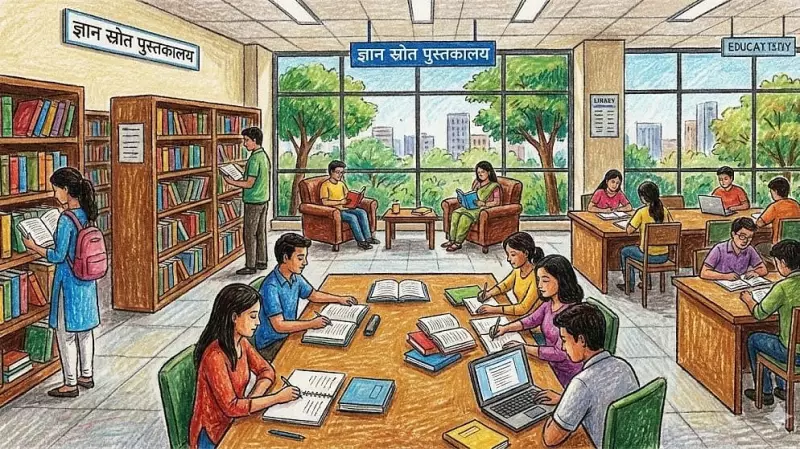
In an era dominated by instant information and digital shortcuts, a poignant reflection on the value of traditional libraries and the intellectual rigor they fostered has emerged. Authored by Anitha Ramachander and published on 29 December 2025, the piece laments how the sheer convenience of modern technology is gradually eroding the deep, contemplative thinking that libraries once cultivated.
The Lost Art of Contemplative Research
Libraries were not merely repositories of books; they were training grounds for the mind. The process of searching through card catalogs, scanning physical shelves, and carefully evaluating sources demanded patience and critical analysis. This environment taught individuals to think meticulously before formulating their thoughts in writing. The act of writing itself was deliberate, undertaken with the awareness that one's work could be scrutinized. As Ramachander notes, there was a tangible accountability—whether to a teacher, to peers in a classroom, or to one's own conscience.
Accountability in the Age of Copy-Paste
A core lesson from the library era was the importance of context and integrity. When quoting a source, one had to ensure it was done accurately and with proper attribution, mindful that someone might discover any misrepresentation. This fear of being "found out" for quoting out of context was a powerful ethical compass. Today, the ease of copying, pasting, and accessing fragmented information online often bypasses this crucial step of verification and deep understanding. The digital environment, while immensely powerful, can encourage superficial engagement with information, where the journey of discovery is lost to the speed of the search result.

Reclaiming Thoughtfulness in Digital Learning
The implications for education, particularly in a digitally advancing nation like India, are significant. While technology provides unprecedented access to knowledge, it risks creating a generation that prioritizes convenience over comprehension. The challenge lies in integrating the best of both worlds: leveraging technological tools while consciously preserving and teaching the values of careful research, contextual understanding, and intellectual honesty that physical libraries symbolized. It is a call to not let the efficiency of the digital realm completely replace the disciplined, thoughtful processes that build true wisdom and credible scholarship.
Anitha Ramachander's reflection serves as a timely reminder. As we embrace the future of learning, we must consciously carry forward the legacy of the library—a space that taught us not just what to think, but more importantly, how to think.