The journey of education in India is a tale of two vastly different worlds. It has always been more than just classroom lessons, serving as a vessel for a society's core ideologies to be passed to its youth. When we place the ancient gurukul system side-by-side with today's modern educational framework, the contrast is as profound as night and day.
The Gurukul System: Education as a Way of Life
In the traditional gurukul framework, education was deeply and inseparably linked with parenting itself. Children would live with their guru, often in an ashram away from their family home. This system was not confined to academic instruction. It was a comprehensive life curriculum where values like humility, self-control, and respect were diligently instilled.
Parenting in this context was delegated with trust, focusing on value-based upbringing and practical life skills. Education was viewed as a holistic routine, an integral part of daily living, rather than a competitive race with trophies to be won.

The Sacred Guru-Shishya Bond
The relationship between teacher and student was the cornerstone of the gurukul. The guru acted not merely as an instructor but as a mentor, guide, and spiritual compass. The learning process was highly personalized, tailored to each child's unique capabilities and pace.
Remarkably, there were no standardized tests or report cards. A student's assessment was based on their overall comprehension, daily conduct, attitude, and their service to the guru and the community. Success was measured in character and wisdom, not just in marks.
The Modern Classroom: Structured, Measurable, and Competitive
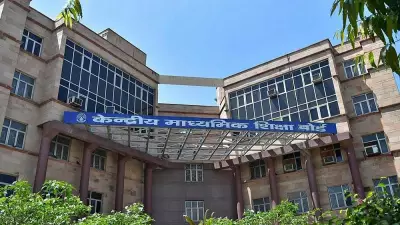
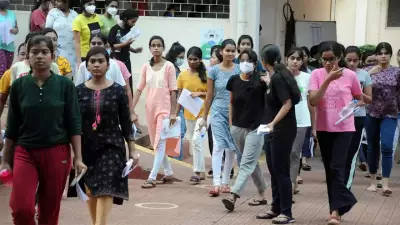
In stark contrast, the contemporary education system in India follows a highly structured and standardized format. It operates within defined boundaries of classrooms, fixed curricula, and scheduled deliverables. Parental involvement in a child's academic performance is now direct and substantial.
This modern approach offers immense benefits, including scalability, measurable outcomes, and alignment with global career pathways. Achievement is clearly quantified through grades and ranks, which are often closely linked to perceptions of a student's overall development and future potential.
The Great Divide: Learning vs. Living
One of the most significant shifts over centuries is the clear separation now created between "learning" and "living." Unlike the gurukul, where education was woven into the very fabric of existence, learning in the modern context can sometimes feel like a separate task—a job to be completed—rather than a natural aspect of being.
This shift has inevitably influenced parenting styles. The gurukul model emphasized trusting the guru's wisdom for long-term, character-oriented development. Today's approach requires parents to be actively involved participants, often navigating homework, tuition, and constant academic pressure alongside their children.
While modern education equips students with critical knowledge and skills for the 21st century, it sometimes allocates less focused attention to cultivating inner values like patience, tenacity, and deep self-awareness compared to academic performance. The evolution from gurukul to the modern classroom reflects a broader societal transformation, highlighting a continuous search for the ideal balance between knowledge, character, and success in the Indian context.