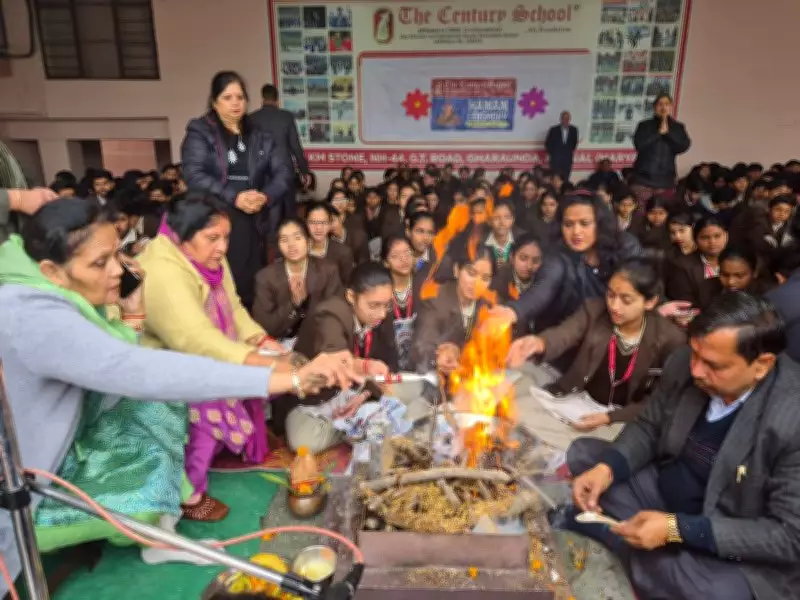
Schools Host Hawan Ceremony for Class X and XII Pupils
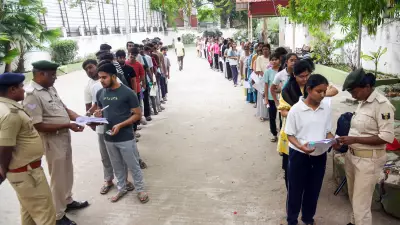
In a move to support students during the crucial examination period, numerous schools have organized a traditional Hawan ceremony specifically for those in classes X and XII. This ritual, deeply rooted in cultural practices, aims to provide spiritual solace and mental calmness as these young learners prepare for their upcoming board exams.
Purpose and Significance of the Ceremony
The primary objective behind conducting the Hawan is to invoke divine blessings for the students' success and well-being. School authorities believe that such ceremonies help in alleviating the immense pressure and anxiety associated with high-stakes examinations. By participating in this age-old tradition, students are encouraged to focus positively and approach their studies with a clear and composed mind.
Key aspects of the event include:

- Gathering of students from classes X and XII in school premises.
- Performance of Hawan rituals by priests, involving sacred chants and offerings.
- Active participation of students, teachers, and sometimes parents in the ceremony.
- Emphasis on creating a supportive and stress-free environment ahead of exams.
Impact on Student Well-being
Educators have noted that such initiatives play a crucial role in boosting the morale of students. The Hawan ceremony is not just a religious activity but also a community-building exercise that fosters a sense of unity and shared purpose among the examinees. It serves as a reminder that the school community stands behind them, offering emotional and spiritual support during challenging times.
Many students reported feeling more relaxed and confident after the ceremony, highlighting its positive effect on their mental state. This approach aligns with broader educational goals of nurturing holistic development, where academic excellence is complemented by emotional and spiritual well-being.
Broader Educational Context
The organization of Hawan ceremonies reflects a growing trend in schools to integrate traditional practices with modern education systems. By acknowledging the cultural heritage and its relevance in contemporary settings, educational institutions aim to create a balanced learning environment. This initiative is particularly significant for classes X and XII, as these are pivotal years that shape students' future academic and career paths.
In conclusion, the Hawan ceremony for class X and XII students underscores the importance of holistic support in education. As schools continue to innovate in their methods to aid student success, such traditions serve as valuable tools for enhancing resilience and promoting a positive mindset during critical examination phases.