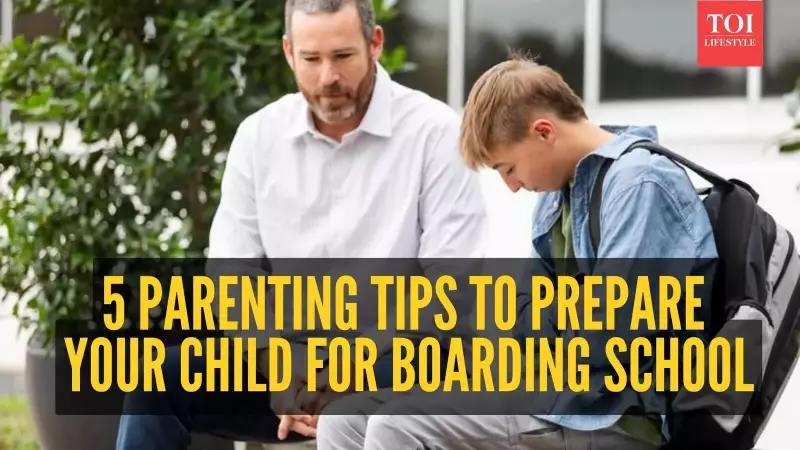
In recent years, boarding schools have surged in popularity across India, emerging as a top educational choice for many families. While this path promises holistic development, the decision to send a child away is monumental, often stirring a complex mix of excitement and anxiety for both parents and children. Navigating this transition successfully requires careful preparation and strategic support from parents long before the academic year begins.
Laying the Foundation: Early and Honest Communication
Experts unanimously stress that preparation must start months in advance, focusing not just on practical skills but on emotional readiness. Sasmita Mohanty, Director at Sanjay Ghodawat International School, highlights the critical role of open dialogue. In an interview, she advised parents to initiate honest conversations about expectations, fears, and the opportunities that boarding life presents. This transparency is the cornerstone of a smooth transition, helping children process the upcoming change.
Echoing this sentiment, Naman Jain, Education Policy Expert and Vice Chairman at Silverline Prestige School, warns against springing the decision on a child at the last minute. He emphasizes that presenting the plan as a sudden move can trigger unnecessary anxiety. Instead, parents should create a comfortable space for discussion, patiently addressing their child's questions and dilemmas, and clearly explaining the rationale behind choosing a boarding school education.

Five Key Strategies for a Confident Transition
To help parents guide their children, education leaders recommend a structured approach built on several pivotal actions.
Familiarise with the New Environment
Before the term starts, take a comprehensive tour of the school campus with your child. Introduce them to key figures like teachers, counsellors, and house parents. This firsthand exposure demystifies the new environment, reduces first-day jitters, and provides immense relief to parents as well.
Clarify Rules and Daily Routines
Go through the school handbook together. Clearly explain daily routines, academic expectations, dress codes, and timings. Making these rules understandable on a home turf helps children mentally prepare and adapt more quickly once they are in the boarding school setting.
Foster Independence and Social Skills
Boarding school life is a journey towards self-reliance. Parents can begin this process at home by encouraging children to take on more responsibilities. Practicing social interactions and problem-solving without immediate family support builds the confidence needed to thrive independently.
Assure Unbroken Connection
It is vital to reassure your child that physical separation does not mean emotional detachment. Children may misinterpret the move as a form of punishment or a sign of less love. Consistently remind them that you will stay connected through regular calls, visits, and video chats. Frame the experience as a growth opportunity, not an exile.
Prepare for Homesickness
Homesickness is a natural and expected challenge, especially in the initial months. Parents must approach this with empathy, not frustration. Avoid scolding or arguing. Instead, listen compassionately, validate their feelings, and maintain a steady stream of communication. Discussing daily routines, new learnings, and future holiday plans can strengthen your bond and provide comfort.
The Lasting Impact of a Positive Start
Ultimately, boarding schools offer a unique platform for overall development, encompassing academics, sports, and co-curricular activities. The greatest gift a parent can give in this scenario is the confidence to be independent. By proactively preparing a child—through open communication, familiarisation, and emotional support—parents can transform a daunting leap into an exciting adventure. This careful groundwork ensures that the child views boarding school not with fear, but as one of the most shaping and rewarding experiences of their life, setting a strong foundation for their future.