Is India's Education System Failing? A Critical Examination of Modern Learning
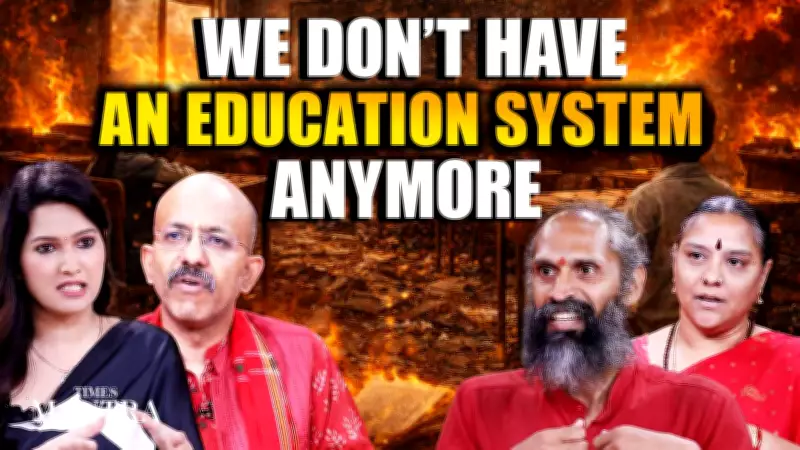
In a recent discussion, profound questions have been raised about the current state of India's education system. The core inquiry revolves around whether the system still serves its fundamental purpose or has fundamentally broken down. This conversation delves into the realities of modern education, challenging long-held assumptions and exploring the gaps between traditional practices and contemporary needs.
The Purpose of Education: Creating Learners vs. Producing Degrees
A central theme in this examination is the distinction between creating genuine learners and merely producing degrees. The discussion highlights how many educational institutions have become degree factories, prioritizing certification over comprehensive learning. This shift has led to a scenario where students often graduate with theoretical knowledge but lack practical, real-world skills essential for today's dynamic job market.
The focus on examinations and rote learning has been identified as a significant contributor to this problem. Rather than fostering critical thinking, creativity, and problem-solving abilities, the system often rewards memorization and standardized test performance. This approach fails to prepare students for the complexities of modern professional and personal life.

Outdated Systems and the Lack of Real Skills
The conversation further explores how outdated educational frameworks continue to dominate. Many curricula have not evolved to address current technological, economic, and social realities. This disconnect leaves students ill-equipped to navigate a rapidly changing world.
Key issues identified include:
- Insufficient emphasis on digital literacy and technological proficiency
- Limited opportunities for hands-on learning and practical application
- Neglect of soft skills development such as communication, collaboration, and adaptability
- Rigid assessment methods that do not accurately measure true understanding or capability
These factors collectively contribute to a system that may be producing graduates who are academically qualified but practically unprepared.
The Silent Evolution or Collapse of Education
A critical question posed is whether education today is evolving positively or collapsing silently. While there are innovative approaches emerging, such as homeschooling and alternative learning models, they remain on the periphery of the mainstream system. The discussion suggests that without significant systemic reform, the education system risks becoming increasingly irrelevant.
The need for a reality check is emphasized, urging stakeholders—including policymakers, educators, parents, and students—to reevaluate what education should achieve. This involves moving beyond traditional metrics of success and focusing on holistic development that prepares individuals for lifelong learning and meaningful contribution to society.
Ultimately, the conversation calls for a renewed commitment to an education system that truly empowers learners, fosters genuine curiosity, and equips students with the skills needed to thrive in the 21st century. The future of India's education depends on addressing these critical issues and reimagining what effective learning looks like in a modern context.