Do Innovation Labs Bridge Gender Gaps in Indian Schools?
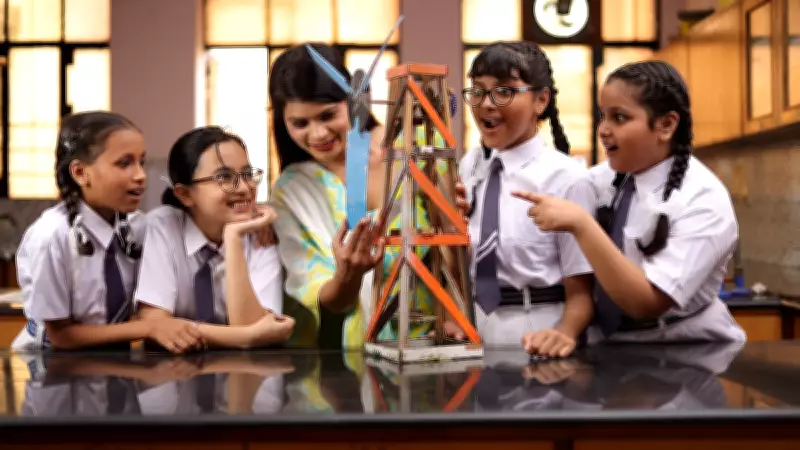
On paper, access to infrastructure in Indian schools has expanded significantly over recent years, with innovation labs becoming a common feature aimed at fostering creativity and technical skills among students. These labs are equipped with modern tools, from computers to robotics kits, designed to prepare the next generation for a technology-driven world. However, the larger question remains: does this infrastructure automatically translate into equal participation for all genders?
The Promise of Infrastructure Expansion
Government initiatives and private partnerships have led to a surge in the establishment of innovation labs across India, particularly in urban and semi-urban areas. These spaces are intended to provide hands-on learning experiences, encouraging students to engage in STEM (Science, Technology, Engineering, and Mathematics) activities. Proponents argue that such labs can help bridge educational disparities by offering equal opportunities to boys and girls alike.
Challenges in Achieving Equal Participation
Despite the increased availability of infrastructure, reports suggest that gender gaps persist in how these labs are utilized. Factors such as societal norms, lack of female role models in tech fields, and implicit biases in teaching methods can hinder girls' full participation. For instance, studies indicate that girls may be less likely to take leadership roles in lab projects or may face subtle discouragement from peers and educators.

Moving Beyond Mere Access
To truly bridge gender gaps, experts emphasize that infrastructure must be complemented by targeted interventions. This includes training teachers to promote inclusive practices, designing curricula that appeal to diverse interests, and creating mentorship programs that connect female students with women in STEM careers. Without these efforts, innovation labs risk becoming spaces where existing inequalities are reinforced rather than resolved.
In summary, while innovation labs represent a positive step forward in Indian education, their success in bridging gender gaps depends on more than just physical access. A holistic approach that addresses cultural and systemic barriers is essential to ensure that all students, regardless of gender, can benefit equally from these resources.