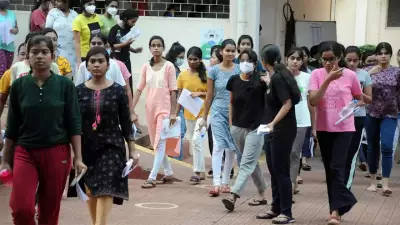
In a significant push to enhance learning outcomes for children requiring special support, the Jharkhand education department has launched an intensive training program for hundreds of educators. The initiative focuses on equipping teachers and therapists with the latest skills in inclusive pedagogy and therapeutic interventions.
Phase-Wise Training Under Samagra Shiksha
The program is a core component of the inclusive education agenda under the central government's Samagra Shiksha Abhiyan. Authorities are training a total of 346 special educators and therapists who work at the elementary school level. The goal is to directly improve the classroom experience and academic progress of students with disabilities.
The first round of this specialized training was successfully concluded in September 2025. The current second phase is being rolled out in four batches from December 26, 2025, to January 7, 2026. All sessions are being held at the Jharkhand Council of Educational Research and Training (JCERT) located in Ratu, Ranchi.

Bridging the Gap in Educator Numbers
This training highlights a critical need within the state's education system. Official data reveals a stark gap: while there are 47,920 registered students with disabilities in Jharkhand, only 384 special educators are currently deployed under the Samagra Shiksha Abhiyan. This program aims to maximize the impact of existing educators by enhancing their expertise.
Shashi Ranjan, the State Project Director at the Jharkhand Education Project Council (JEPC), emphasized the program's importance. He stated that these training programs are vital for enhancing the quality of inclusive education. They ensure therapists and educators stay updated with the evolving pedagogical and therapeutic frameworks necessary to effectively support children with special needs.
Impact on Schools and Students
The effects of such focused training are already visible in schools that prioritize inclusive practices. Nupoor Lakra, Principal of SPG Mission Primary School in Hundru, shared her institution's approach. She explained that specially-abled children at their school receive compassionate, tailored support. Their methodology emphasizes building independent and confident individuals through individualized care, constant encouragement, and a nurturing inclusive learning environment that promotes holistic development.
The real-world impact on students is profound. Donald N Kumar, father of a Class V student at a Government Primary School, attested to the transformative power of quality inclusive education. He observed a remarkable positive change in his daughter's confidence and comprehension. Her ability to grasp complex concepts has shown clear improvement, and she now actively and enthusiastically participates in her studies.
This comprehensive training initiative marks a crucial step for Jharkhand in creating a more equitable and effective education system where every child, regardless of ability, has the opportunity to thrive and achieve their full potential.