JNU Vice-Chancellor's Podcast Comments Ignite Controversy Over Caste and Victimhood
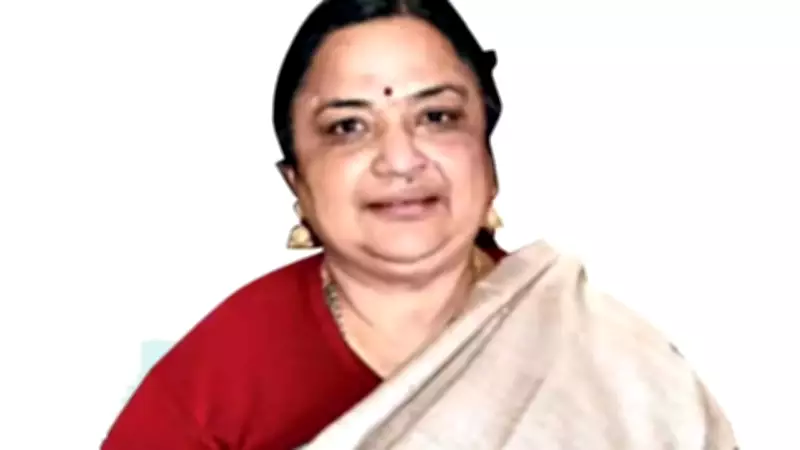
NEW DELHI: A recent podcast statement by Jawaharlal Nehru University (JNU) Vice-Chancellor Shantishree Dhulipudi Pandit has erupted into a major controversy on campus, with student groups vehemently condemning her remarks as casteist and demanding her immediate resignation. The incident has triggered calls for a countrywide protest scheduled for Saturday, amplifying tensions within the academic community.
Alleged Casteist Remarks and Immediate Backlash
During a podcast published on February 16, Pandit discussed the University Grants Commission's (UGC) 2026 Equity (Anti-Discrimination) Regulations, which aim to combat caste-based discrimination in higher education institutions. In her comments, she asserted, "You cannot progress by being permanently a victim or playing the victim card. This was done for the Blacks; the same thing was brought for Dalits here... It is a temporary type of drug." These statements quickly circulated on social media, sparking outrage among students and activists who interpreted them as dismissive of systemic oppression faced by marginalized communities.
In response to the allegations, Pandit defended herself, claiming her words were misinterpreted. She clarified, "I did not mean that. I meant that wokes have written like this and those who opposed the wokes had this to say about permanent victimhood and imaginary worlds being created." Additionally, she emphasized her Bahujan identity, stating, "I am a Bahujan myself," in an attempt to contextualize her perspective. However, this defense has done little to quell the growing discontent.

Student Union Condemns Statements and Demands Action
The JNU Students' Union (JNUSU) issued a strong statement on Friday, condemning what it described as "blatantly casteist statements" by the Vice-Chancellor. The union accused Pandit of reflecting "a chronology of injustice, caste supremacy and perpetual systemic exclusion in universities and public spaces." They have called for her resignation and urged student organizations across India to join in the protest, highlighting the broader implications for social justice in educational settings.
Further complicating the situation, the union also objected to Pandit's public affiliation with the Rashtriya Swayamsevak Sangh (RSS). During the podcast, she expressed pride in this association, saying, "I am proud of my affiliations with RSS... It gave me a world view, which is universal and unique. RSS taught (me) appreciation of difference and diversity." This has added fuel to the fire, with critics arguing that such affiliations may influence her stance on sensitive issues like caste discrimination.
Context of UGC Regulations and Supreme Court Intervention
The controversy is set against the backdrop of the UGC's 2026 Equity Regulations, which seek to address and mitigate caste-based discrimination in higher education. These regulations have faced significant opposition from some upper-caste groups, leading to their temporary stay by the Supreme Court. Pandit criticized the regulations during the podcast, labeling them as "unnecessary" and "irrational," and suggesting that due diligence was lacking in their formulation.
Her comments have reignited debates over the effectiveness and necessity of such anti-discrimination measures, with proponents arguing that they are essential for creating equitable academic environments, while opponents, including Pandit, question their implementation and impact.
Broader Implications and Ongoing Protests
As the situation unfolds, the call for nationwide protests on Saturday underscores the deep-seated frustrations among student bodies regarding caste dynamics in Indian universities. The incident highlights ongoing challenges in balancing free speech with sensitivity towards historically oppressed groups, and it raises questions about leadership accountability in educational institutions.
The outcome of this controversy could have lasting effects on JNU's campus culture and the broader discourse on caste and discrimination in India. With tensions running high, all eyes are on the upcoming protests and the university's response to the demands for Pandit's resignation.