Karnataka Education Department Launches Digital Certificate Initiative for CET Students
In a significant move aimed at streamlining administrative processes, the Department of School Education and Literacy in Karnataka has announced plans to digitize the issuance of critical student certificates. This initiative specifically targets documents required by Common Entrance Test (CET) aspirants, including study certificates, Kannada medium certificates, and rural study certificates.
Current Challenges in the Manual System
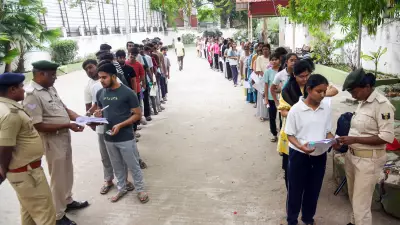
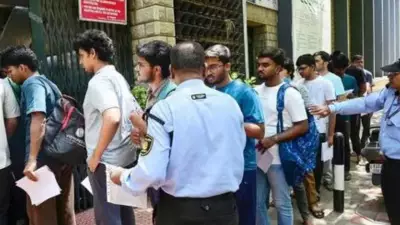
The existing certificate issuance process is entirely offline and manual, creating numerous hurdles for students. Applicants must physically approach each school they attended, submit applications at multiple stages, and obtain manual verification from school headmasters or block education officers. This school-by-school verification often results in substantial delays, forcing students to make repeated visits to government offices.
Rashmi V Mahesh, Additional Chief Secretary of the Department of School Education and Literacy, highlighted the systemic issues: "Considering our disjointed schooling system—with primary, higher primary, high schools, and PU colleges functioning separately—students had to keep shuttling between schools to get their study certificates."

Transformation to Digital Platform
The department now plans to revolutionize this system through a fully online and automated platform integrated into the Sakala framework. Under the proposed model, applicants will submit a single consolidated application covering all schools attended through the Seva Sindhu portal.
Once generated, certificates will be linked to the Aadhaar vault and stored centrally in a digital repository. This approach promises several benefits:
- Faster access to certificates
- Improved transparency in the issuance process
- Reduced administrative burden on educational institutions
- Elimination of the need for students to visit multiple schools
Operational Details and Timeline
The new system will operate with minimal human intervention. When an application is submitted online, the system will automatically populate data from the Student Achievement Tracking System. Verification will then proceed digitally through school headmasters and block education officers (for private schools).
"Once the new system kicks in, there will be as little delay and human intervention as possible," Mahesh explained. "This will be a seamless method in which the application is received through Seva Sindhu and moved digitally to various schools and BEOs."
The department has committed to issuing certificates within seven days of application submission. The project is expected to launch within a month, providing timely relief for the approximately 330,000 students who register for CET annually.
Broader Implications and Benefits
These certificates hold substantial importance beyond CET applications, serving as crucial documents for higher education admissions, employment opportunities, and reservation quotas. Once available through DigiLocker, students will enjoy "anytime, anywhere" access for future needs.
The digital transformation brings additional advantages:
- A standardized, uniform certificate format will be implemented statewide, ensuring consistency in content and structure
- The centralized, verifiable database will eliminate opportunities for fake or fraudulent certificates
- Students will no longer need to visit four to five different schools to collect certificates
- The system addresses the fragmented nature of Karnataka's educational infrastructure
This initiative represents a significant step toward modernizing educational administration in Karnataka, directly addressing long-standing bureaucratic challenges faced by students navigating the CET application process.