Karnataka Government Develops Groundbreaking Framework to Curb Mobile and Social Media Use Among Students
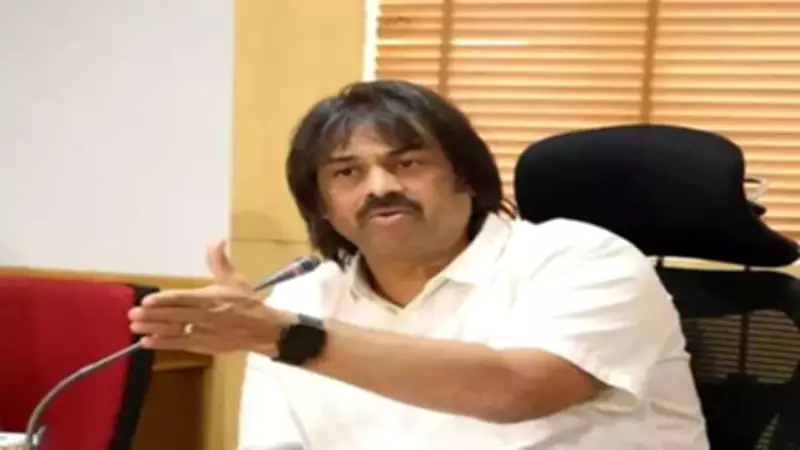
BENGALURU: In a significant move addressing growing nationwide concerns, Karnataka Primary and Secondary Education Minister Madhu Bangarappa declared on Monday that the state government is formulating a comprehensive framework to regulate mobile phone and social media usage specifically for students below the age of 16. This announcement came during the Question Hour in the Karnataka Legislative Council, where the minister responded to urgent calls from MLCs Pratap Nayak and Javare Gowda for strict measures against what they described as "alarming levels" of mobile addiction among children.
Existing Restrictions and Enforcement Challenges
Minister Bangarappa acknowledged that while restrictions on mobile phone use in schools already exist under current laws, their enforcement has been notably weak and ineffective. He emphasized that students frequently use phones outside school premises, where there is no proper monitoring system in place, leading to uncontrolled exposure. "For the first time in India, our government has proposed in the Budget that mobile use should be banned for children below 16 years," Bangarappa stated, highlighting the pioneering nature of this initiative.
Rationale Behind the Regulatory Push
Explaining the critical need for this framework, the minister pointed out that although mobile phones can be useful educational tools, they are increasingly exposing children to harmful and unnecessary content. "If mobile helps learning, it is okay, but most of what is coming today is unnecessary. Children take whatever input is given," he remarked, underscoring the vulnerability of young minds. The government's approach aims to strike a balance, recognizing that in today's digital and AI-driven age, mobile phones cannot be completely eliminated at once.

Collaborative Efforts and Stakeholder Consultations
The Karnataka government is actively collaborating with the IT Department, which has established a dedicated committee to study social media practices and their impacts on youth. Detailed guidelines are currently being prepared through extensive consultations with multiple stakeholders. Bangarappa confirmed that inputs will be sought from parents, educational experts, and international child organizations before finalizing the policy, ensuring a well-rounded perspective. "This concerns the future of our children. Misuse of social media is a big problem in our country," he observed, stressing the policy's importance.
Integrated Approach with Moral Education
In tandem with the digital regulations, the minister highlighted the reintroduction of moral education in schools as a complementary measure. Moral science books are being provided free of cost to all students starting this academic year, with specific periods allocated in the timetable for teaching these values. This holistic strategy aims to address both external digital influences and internal ethical development.
Proposed Legislative Steps and Future Vision
Bangarappa outlined that the proposal will be presented before the Legislative Council in the next session after broader consultations. He cautioned that a complete ban might not be effective, as children could still access devices secretly, and instead advocated for a model policy that sets a national benchmark. "Since this is being done for the first time in India, I want it to become an example for others," he added, expressing ambition for Karnataka to lead in child digital safety. The government's goal is to enact a law that imposes practical restrictions, fostering a safer digital environment without stifling technological benefits.
This initiative responds directly to concerns raised by council members about students' growing dependence on mobile devices, with Bangarappa asserting, "If it harms their future, we must take strict action." The framework represents a proactive step towards mitigating the risks associated with unchecked digital exposure while preparing a replicable model for other states to follow.