A crucial meeting of the state school curriculum committee in Thiruvananthapuram on January 8 is poised to deliberate on a series of transformative proposals that could reshape the landscape of school education in Kerala. The agenda includes radical changes to classroom seating, a potential shift in the academic calendar, and the introduction of newly revised textbooks.
Overhauling Classroom Dynamics and Academic Calendar
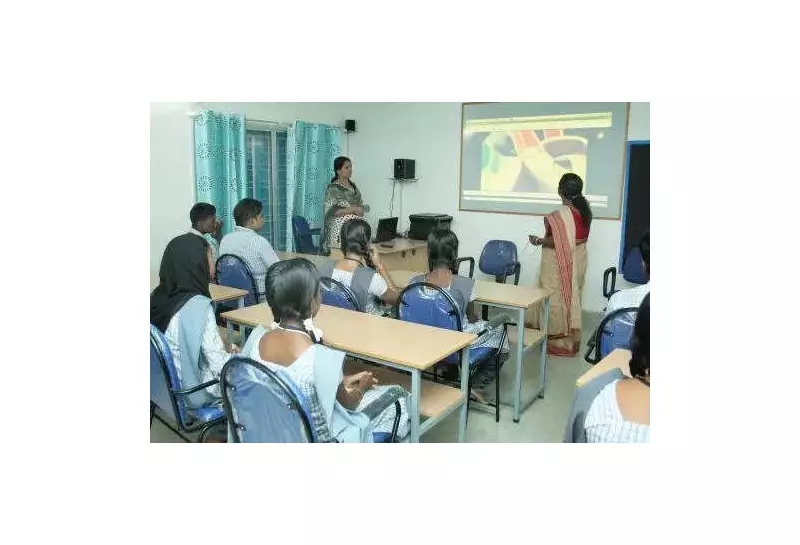
The committee is expected to review a significant study report that proposes a new classroom arrangement system. This system would literally abolish the traditional back benches in classrooms. This move stems from an earlier announcement by the education department, which expressed its intent to explore options for realigning seating arrangements. The core objective is to ensure every student receives equal attention from teachers, thereby promoting a more inclusive and engaging learning environment.
In another major potential change, the panel will discuss a report on General Education Minister V. Sivankutty's proposal to reschedule the school summer vacation. The proposal suggests shifting the break from the current April-May period to June-July. This change could better align Kerala's academic calendar with climatic conditions and possibly other logistical considerations.

New Textbooks and a Stance Against NEP
Meanwhile, the revision of textbooks from Classes I to XII is nearing completion, as confirmed by Minister Sivankutty on Tuesday. As part of the Kerala Curriculum Framework, a massive undertaking is underway: 597 textbooks for Classes I to X and 39 revised titles for the Plus One course are being developed.
The minister made a pointed statement regarding content, especially for higher secondary classes. While the state follows some NCERT textbooks, he cited significant omissions in NCERT's books, particularly in subjects like history, political science, and sociology. In response, Kerala is bringing out its own new books for these subjects. Kerala will maintain and incorporate secular, scientific, and democratic content that upholds the constitution, he asserted.
The first-year higher secondary textbooks are slated for publication by the end of January. The minister revealed that approximately 4,00,000 books across 39 titles will be printed. He framed this initiative as an academic resistance, stating, Kerala will academically resist the central government's unilateral imposition of the National Education Policy (NEP). He added that the state is prepared to spend additional funds to promote its own educational materials.
Additional Focus: Reducing School Bag Weight
The January 8 meeting will also deliberate on a study report connected to the state government's earlier announcement regarding the reduction of school bag weight. This indicates a holistic approach to reforming not just pedagogical content but also the physical burden on students, addressing long-standing concerns of parents and health experts.
These collective discussions signal a period of significant reform in Kerala's education sector, with the state asserting its distinctive policy approach in school education.