Kerala Education Minister Addresses Concerns Over SSLC Syllabus Reduction
Kerala General Education Minister V Sivankutty has provided crucial clarification regarding the state's proposed 25 percent reduction in the Class 10 syllabus, assuring stakeholders that core textbook portions will remain untouched. The announcement comes amid growing concerns from students, parents, and academic communities about potential dilution of educational standards.
Scientific Approach to Syllabus Restructuring
Minister Sivankutty emphasized that the syllabus reduction initiative follows a scientifically planned approach developed through detailed studies by expert committees. "Reducing content load does not mean removing core or essential portions of the syllabus," the minister stated during his clarification. "The exercise is aimed at avoiding repetition and ensuring that only age-appropriate learning content is included at each level."
The minister revealed that similar methodology would be applied to SSLC-level syllabi review, maintaining the government's commitment to reducing examination-related stress among students. This policy direction represents a significant shift toward more student-centric educational practices in Kerala's school system.

Comprehensive Educational Reforms Underway
Beyond syllabus reduction, the Kerala Education Department has initiated broader reforms designed to transform the learning environment:
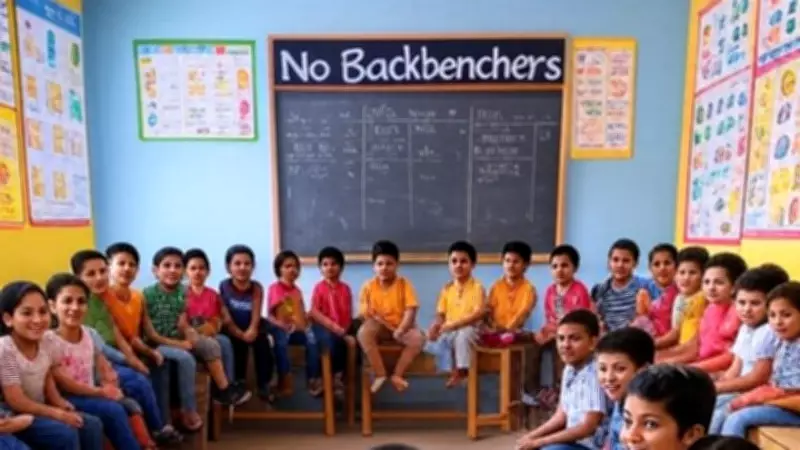
- Democratization of classrooms through elimination of traditional seating hierarchies
- Reduction in school bag weight to address physical strain on students
- Creation of more inclusive and participatory learning spaces
- Implementation of child-friendly policies across educational institutions
These proposals, developed by the State Council of Educational Research and Training (SCERT), have received approval from the State Curriculum Steering Committee. Minister Sivankutty explained that these measures aim to "democratise classrooms" and significantly improve student participation in the learning process.
Timeline and Implementation Strategy
The education department plans to implement these comprehensive changes starting from the upcoming academic year, following careful consideration of public feedback. The minister confirmed that the state curriculum committee has already approved the syllabus reduction decision while maintaining the basic structure of textbooks.
"These steps are meant to ensure the happiness of children and create a more inclusive learning environment," Sivankutty emphasized, highlighting the humanistic approach guiding Kerala's educational reforms.
Context and Background
The clarification emerged during a public function in Thevalakkara, Kollam district, where Minister Sivankutty and Kerala Finance Minister K N Balagopal participated in a humanitarian initiative. They handed over keys to a newly constructed house for the family of Mithun, a student who tragically died from electrocution at Thevalakkara Boys High School last year.
This Rs 20 lakh project, completed within six months by the Kerala State Bharat Scouts and Guides without collecting student funds, served as a poignant reminder of society's collective responsibility toward children's welfare. The minister described this initiative as a model humanitarian intervention that complements the broader educational reforms.
The syllabus reduction announcement responds directly to persistent complaints from students about excessive academic workload, demonstrating the government's responsiveness to student concerns while maintaining educational quality standards.