Kerala TET 2026 Notification Officially Released for February Cycle
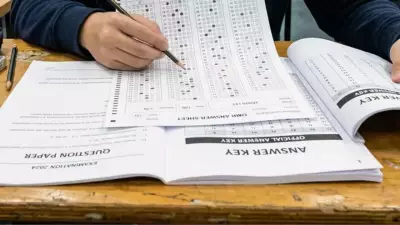
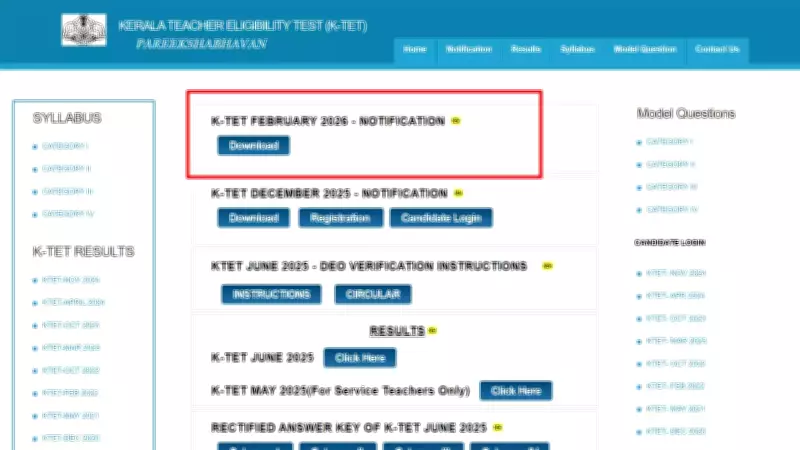
The Kerala Pareeksha Bhavan has officially issued the much-anticipated notification for the Kerala Teachers Eligibility Test (KTET) for the February 2026 examination cycle. This state-level examination, conducted in traditional pen-and-paper format, serves as the mandatory qualifying test for candidates aspiring to teach in schools across Kerala.
Key Application Dates and Registration Process
The online registration portal will open for candidates on February 26, 2026, providing an eleven-day window for applications until March 7, 2026. All applicants must ensure they complete the entire registration process within this stipulated timeframe, including fee payment. A crucial subsequent deadline requires candidates to retain a printed copy of their submitted application form by March 13, 2026.
While the notification has been released, the specific examination date will be announced separately by the conducting authority. The notification itself became available on the official portal starting February 25, 2026.

Application Fee Structure and Payment Details
The application fee has been set at Rs 500 for general category candidates. Applicants belonging to Scheduled Castes (SC), Scheduled Tribes (ST), and Persons with Disabilities (PH) categories benefit from a reduced fee of Rs 250. All fee payments must be completed within the application deadline of March 7, 2026, as late submissions will not be entertained.
Examination Structure and Format
The KTET examination will be conducted in offline mode with a total duration of two hours and thirty minutes. Each paper will consist of 150 multiple-choice questions, carrying a maximum of 150 marks. This pen-and-paper test follows a standardized format that has been established through previous cycles.
Importantly, the Kerala Teachers Eligibility Test is conducted twice annually, providing multiple opportunities for candidates to qualify. The syllabus and examination pattern for each specific category are comprehensively detailed in the official notification document.
Category-Wise Eligibility Framework
The KTET examination features four distinct categories, each with specific educational requirements:
- Category I: For Lower Primary classes (Standards I to IV)
- Category II: For Upper Primary classes (Standards V to VII)
- Category III: For High School classes (Standards VIII to X)
- Category IV: For Language Teachers and Specialist Teachers including Physical Education
Educational qualifications vary significantly across these categories, ranging from Higher Secondary education with teacher training certifications to Bachelor's degrees accompanied by B.Ed. or equivalent qualifications. Category III applicants face specific subject requirements, with provisions for MScEd in select disciplines.
Important Eligibility Provisions and Attempt Policy
The Kerala TET maintains a flexible approach regarding attempts, with no restrictions on the number of times candidates can appear for the examination. Additionally, there is no prescribed upper age limit for test participation.
However, candidates must exercise caution during registration as the category selected cannot be altered once the registration process closes. Eligibility conditions differ according to the chosen category, making initial selection a critical decision.
The examination authority provides relaxation in qualifying marks for certain categories: five percent relaxation for SC, ST, and differently abled candidates, and three percent relaxation for OBC and OEC candidates.
Prospective applicants are strongly advised to thoroughly review the official notification, including the prescribed syllabus and examination pattern, before commencing their preparation. The detailed eligibility criteria and subject requirements for each category are comprehensively outlined in the official document available on the Kerala Pareeksha Bhavan portal.