Koraput: Residential schools for Scheduled Caste (SC) and Scheduled Tribe (ST) students in the district have delivered an impressive performance in this year’s High School Certificate (HSC) examinations. They recorded a pass percentage of 98.64, which is well above the state average of 95.33% and the district’s overall average of 96.58%.
Steady Improvement Over Previous Years
The achievement marks a steady improvement from last year’s pass rate of 97%, reflecting consistent academic progress in residential and ashram schools managed by the state’s SC and ST development department. According to officials, 2,943 students from 37 SSD schools appeared for the exam. Of them, 16 students secured A2 grade, 94 achieved B1 grade, and 513 obtained B2 grade, indicating strong performance across categories.
Officials Attribute Success to Focused Monitoring
Collector of Koraput, Manoj Satyawan Mahajan, attributed the success to focused academic monitoring and sustained efforts by all stakeholders. “This outstanding result is the outcome of dedicated efforts of teachers, students and hostel authorities. Special emphasis was laid on regular assessments, doubt-clearing sessions and mentorship for slow learners,” he said.

District welfare officer Sunil Kumar Tandi noted a significant improvement compared to the previous year. “Last year, only one student had secured A2 grade, which has increased to 16 this year. A considerable number of students have also secured B1 and B2 grades, while only a small fraction fell in the lower grade brackets,” he said.
Infrastructure and Support Systems Play Key Role
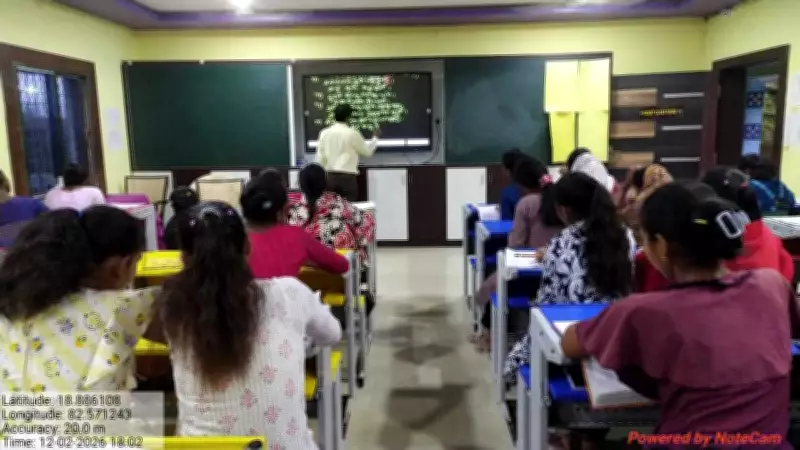
Education officials pointed out that improved infrastructure, better availability of study materials and structured hostel routines have contributed to the results. The residential school environment enables students to concentrate on studies, and targeted interventions have helped bridge learning gaps. “We are hopeful of sustaining the upward trend and further strengthening educational outcomes among tribal students in the coming years,” Tandi added.
This year’s performance underscores the effectiveness of dedicated academic support in tribal areas. With continued focus on mentorship and infrastructure, the district aims to set new benchmarks in tribal education.