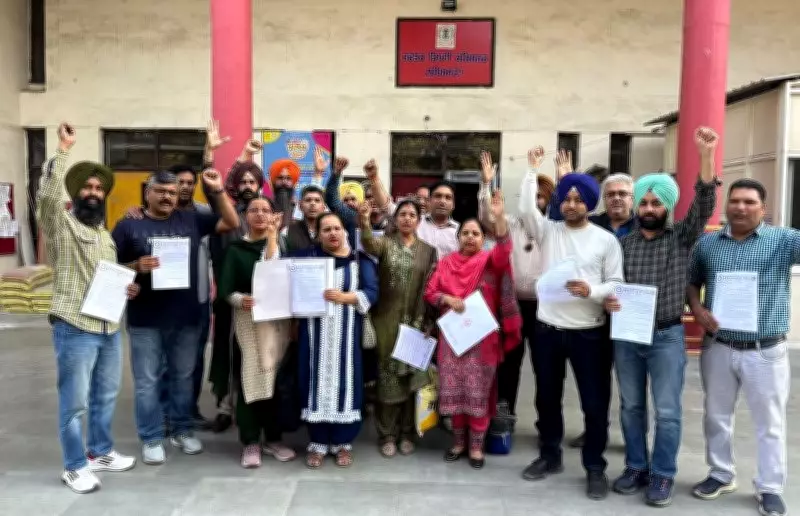
Ludhiana Computer Teachers Threaten to Escalate Protest Over Non-Teaching Duties
Computer teachers in Ludhiana have issued a stern warning to intensify their ongoing protest against the assignment of non-teaching tasks, which they argue detracts from their primary educational responsibilities. This development highlights growing discontent among educators in the region over administrative burdens that compromise teaching quality.
Core Issues Driving the Protest
The teachers are protesting the imposition of duties unrelated to computer education, such as data entry, clerical work, and event management. They assert that these tasks consume valuable time that should be dedicated to lesson planning, student instruction, and skill development. The protest has been simmering for weeks, with teachers staging demonstrations and submitting formal complaints to authorities.
Key demands include:

- Immediate cessation of non-teaching assignments to computer teachers.
- Clear guidelines defining their roles and responsibilities.
- Enhanced support for focusing on core educational activities.
Impact on Education and Community Response
Educators warn that the continued assignment of extraneous duties could lead to a decline in the quality of computer education, affecting students' learning outcomes. Parents and local education advocates have expressed concern, calling for swift resolution to ensure uninterrupted academic progress. The protest has garnered attention from media and policymakers, putting pressure on administrative bodies to address the grievances.
If demands are not met, teachers plan to escalate their agitation through larger rallies and potential work stoppages, which could disrupt school operations.
Broader Implications for Educational Policy
This incident underscores a broader issue in the education sector, where teachers often face excessive administrative workloads. It raises questions about resource allocation and the prioritization of teaching versus non-teaching functions in schools. Experts suggest that resolving such conflicts requires systemic reforms to streamline duties and empower educators.
The situation in Ludhiana serves as a case study for similar disputes nationwide, emphasizing the need for balanced workloads to foster effective teaching environments.