Maharashtra Education Department Launches Major Investigation into Private School Certification
The Maharashtra school education department has initiated a comprehensive high-level inquiry into private, permanently unaided schools operating in Thane and Nagpur districts. The investigation focuses on allegations that these institutions have been functioning from 2022 through 2025 without obtaining the mandatory "Form 2" recognition certificate required under the Right to Education (RTE) Act.
Scope of the Investigation and Administrative Directive
The probe encompasses a significant number of educational institutions, with 175 schools in Thane district and 255 schools in Nagpur district coming under scrutiny. Following a formal complaint that highlighted substantial administrative lapses in certification procedures, the department issued a decisive directive on February 17 to the state education commissioner.
The commissioner has been instructed to thoroughly verify all relevant records and submit a detailed investigative report within an eight-day timeframe. This report must specifically explain how these numerous schools managed to continue their educational operations without possessing the legally required certification documents.

Legal Requirements Under the RTE Act
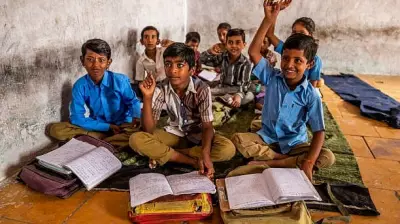
According to Section 12(1)(c) of the Right to Free and Compulsory Education (RTE) Act of 2009, private, unaided, non-minority schools have specific obligations. These institutions must reserve 25% of their entry-level seats, whether at the pre-school or Class 1 level, for children from economically weaker sections and disadvantaged groups.
The law further mandates that these schools provide free education to these students up to Class 8, with the state government providing reimbursement for these educational costs. This provision represents a crucial mechanism for ensuring educational equity and access for underprivileged children across Maharashtra.
Allegations of Systemic Failure and Educational Inequity
Education activist Nitin Dalvi has brought forward serious allegations regarding the consequences of these certification lapses. Dalvi contends that delayed renewal processes and administrative oversights have enabled approximately 430 schools to circumvent their legal and moral responsibilities.
According to these allegations, the affected schools have been admitting only general-category students while charging full tuition fees, thereby bypassing their obligation to provide free education to economically disadvantaged children as required by law. This situation raises significant concerns about educational equity and the proper implementation of social welfare legislation in Maharashtra's private education sector.
The investigation represents a critical examination of regulatory compliance within the state's private education system and could have far-reaching implications for how educational institutions adhere to national education policies designed to promote social inclusion through schooling.