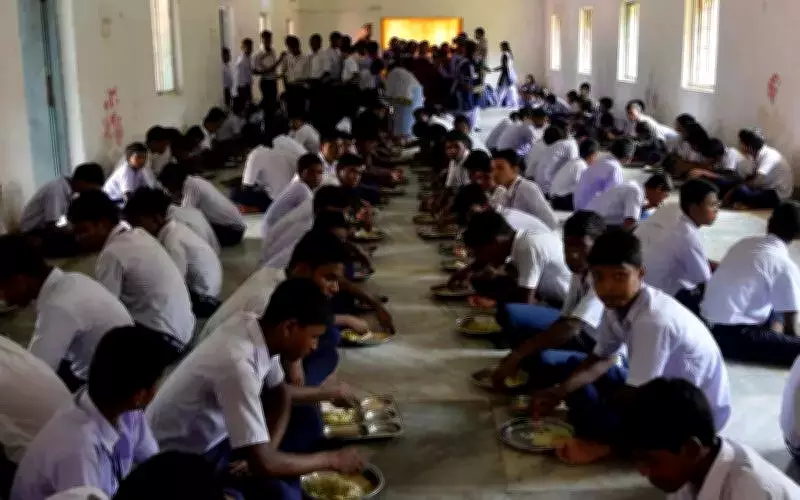
Mid-Day Meal Strike in Ludhiana Schools Draws Mixed Response, Alternative Plans Prevent Disruption
The one-day strike called by the Mid-Day Meal Workers Union on February 12th elicited a varied reaction across government schools in Ludhiana. While some institutions reported full attendance of their kitchen staff, others witnessed significant absenteeism among cooks and helpers who chose to abstain from duty in solidarity with the nationwide protest.
Departmental Directives Ensure Meal Continuity Despite Strike Action
Ahead of the planned industrial action, the education department issued clear instructions to all schools, mandating that mid-day meal services must not be disrupted under any circumstances. Authorities directed schools to utilize cooking cost funds to cover daily expenses and make necessary alternative arrangements to guarantee that no child would be deprived of their nutritional meal, even if regular staff members decided to participate in the strike.
Strike Participation Varies Between Urban Centers and Rural Peripheries
As the strike unfolded on Wednesday, a distinct pattern emerged across Ludhiana district. Government schools located in the outer areas and rural fringes reported that their mid-day meal staff largely ignored the strike call and reported for duty as usual. School officials in these regions confirmed that meals were prepared and served without any interruption to the daily routine.

In contrast, schools situated in the central parts of Ludhiana city experienced noticeable absenteeism among mid-day meal workers and cooks. However, educational authorities had anticipated this scenario and had prepared contingency measures in accordance with departmental guidelines issued prior to the strike date.
Schools Implement Creative Solutions to Maintain Meal Service
Educational institutions across the district employed various strategies to ensure uninterrupted meal distribution:
- In schools with substantial student enrollment, teaching staff voluntarily stepped in to assist with meal preparation and serving activities
- Several schools arranged for temporary cooks from external sources to handle kitchen operations during the absence of regular workers
- Financial resources from cooking cost funds were utilized to compensate temporary staff and cover additional expenses
A principal from a government senior secondary school in Ludhiana revealed that approximately fourteen regular mid-day meal workers and cooks were absent due to the strike action. "We had to arrange cooks from outside and pay them from the available funds for the day. Teachers also helped to ensure that mid-day meals were not disrupted," the principal explained.
Another government school principal, whose institution is located on the city outskirts, reported minimal impact from the strike. "Maybe these female cooks and workers were unaware of the strike call, as they all reported for duty. We had made prior arrangements, but they were ultimately not needed," the principal noted.
Preparedness Prevents Service Disruption Across District
Throughout Ludhiana district, education officials reiterated that schools had received explicit directions to maintain regular mid-day meal service regardless of strike participation. This advanced planning and preparedness ensured that students' meals were served without interruption in most areas, even as worker participation in the industrial action varied significantly between urban centers and rural educational institutions.
The successful implementation of alternative arrangements demonstrated the education department's commitment to preserving the nutritional support system for students while acknowledging workers' right to protest, creating a balanced approach that prioritized children's welfare above all other considerations.