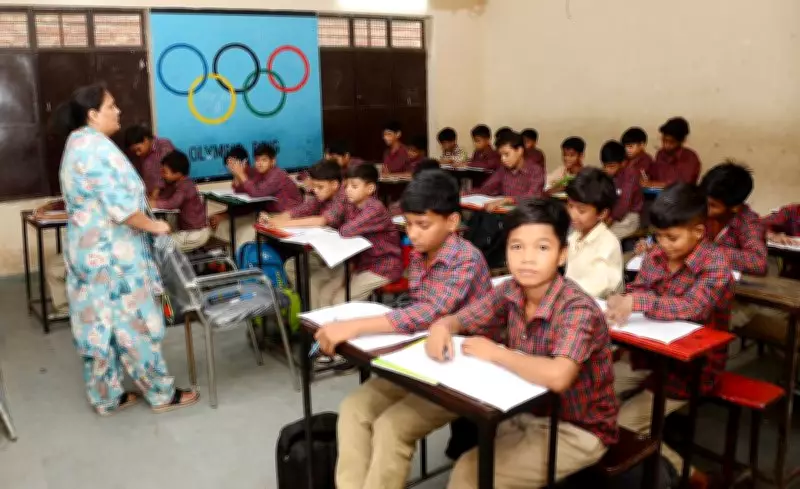
Mission Samarth 4.0: Punjab Education Department to Verify Learning Levels of Classes 3-8
The Punjab Education Department has officially launched Mission Samarth 4.0, a comprehensive initiative aimed at verifying the learning levels of students in classes 3 to 8 across the state. This program represents a significant step forward in the department's ongoing efforts to enhance educational quality and address learning gaps that may have arisen due to various challenges, including the disruptions caused by the COVID-19 pandemic.
Objectives and Scope of the Initiative
The primary objective of Mission Samarth 4.0 is to conduct a thorough assessment of students' academic proficiency in key subjects such as Mathematics, English, and Punjabi. By evaluating the learning levels of students in these critical grades, the education department aims to identify areas where students are struggling and implement targeted interventions to improve their performance.
This initiative is part of a broader strategy to ensure that every student in Punjab receives a quality education and is equipped with the necessary skills to succeed in higher grades and beyond. The verification process will involve standardized tests and assessments designed to measure students' understanding of core concepts and their ability to apply knowledge in practical scenarios.

Implementation and Methodology
The implementation of Mission Samarth 4.0 will be carried out in a phased manner, with the education department coordinating with schools and teachers to administer the assessments. Key aspects of the methodology include:
- Standardized Testing: Development of uniform assessment tools to ensure consistency and reliability in measuring learning outcomes.
- Teacher Training: Providing training and resources to educators to effectively conduct the assessments and interpret the results.
- Data Analysis: Collecting and analyzing data from the assessments to identify trends, gaps, and areas for improvement.
- Feedback Mechanism: Establishing a system to provide feedback to students, parents, and teachers based on the assessment results.
By adopting this structured approach, the Punjab Education Department hopes to gain valuable insights into the current state of education in the state and develop evidence-based policies to enhance learning outcomes.
Impact and Expected Outcomes
The launch of Mission Samarth 4.0 is expected to have a profound impact on the educational landscape in Punjab. By verifying learning levels, the department can:
- Identify Learning Gaps: Pinpoint specific areas where students are underperforming and require additional support.
- Tailor Interventions: Design customized remedial programs and teaching strategies to address identified gaps.
- Improve Accountability: Enhance accountability among educators and administrators by setting clear benchmarks for student performance.
- Promote Equity: Ensure that all students, regardless of their background, have access to quality education and opportunities for academic success.
This initiative aligns with national and global efforts to improve educational standards and prepare students for the challenges of the 21st century. It underscores the Punjab government's commitment to fostering a robust and inclusive education system that empowers every child to reach their full potential.
Challenges and Future Prospects
While Mission Samarth 4.0 holds great promise, it also faces certain challenges, such as ensuring the participation of all schools, maintaining the integrity of the assessment process, and effectively utilizing the data collected. However, with proper planning and collaboration, these challenges can be overcome.
Looking ahead, the Punjab Education Department plans to use the insights gained from Mission Samarth 4.0 to inform future educational policies and initiatives. This could include revising curricula, enhancing teacher training programs, and investing in educational infrastructure to create a more conducive learning environment for students.

In conclusion, Mission Samarth 4.0 marks a pivotal moment in Punjab's educational journey, as it seeks to verify and improve the learning levels of students in classes 3-8. By focusing on assessment and intervention, the initiative aims to build a stronger foundation for academic excellence and lifelong learning in the state.