A Montessori Childhood: Growing Up with Free Will in a Rote-Learning World
In an educational landscape often dominated by rigid structures and memorization, Shraddha A K offers a compelling glimpse into a different path. Having studied in two alternative schools, she shares her firsthand experience of growing up with the Montessori method, where free will and self-directed learning take precedence over traditional rote learning.
The Montessori Experience: Learning Through Activities
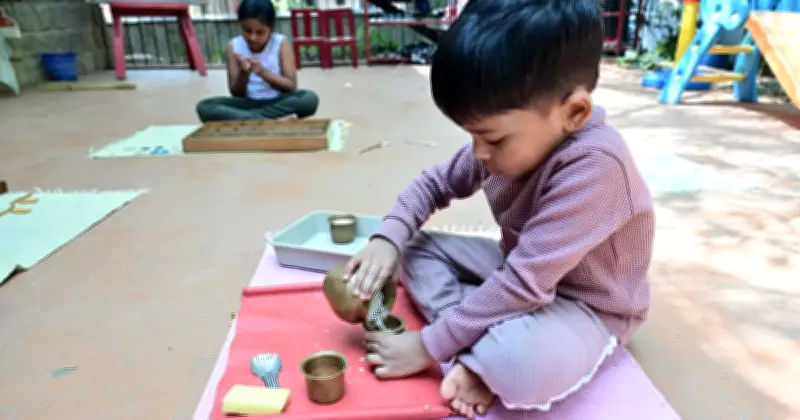
At institutions like the Akshara Montessori House of Children, education is not confined to textbooks and homework. Instead, children engage in hands-on activities to develop language, mathematics, and motor skills. This approach fosters a deeper understanding and practical application of knowledge, moving away from the passive absorption common in conventional systems.
Shraddha recounts how this environment nurtured creativity and independence. For instance, during her school days, she and her peers organized and ran a flea market featuring handmade products. This project was not just a fun activity but a real-world lesson in entrepreneurship, teamwork, and problem-solving—skills rarely emphasized in rote-learning curricula.

Contrast with Traditional Education
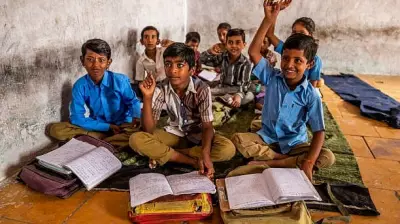
While many students in India grapple with the pressures of exams, textbooks, and standardized assessments, Montessori education emphasizes experiential learning. The focus is on cultivating a child's natural curiosity and allowing them to learn at their own pace, rather than forcing conformity to a one-size-fits-all syllabus.
This method challenges the norm by prioritizing:
- Self-directed exploration over teacher-led instruction.
- Practical life skills alongside academic subjects.
- Collaborative projects that build social and emotional intelligence.
Implications for Modern Education
Shraddha's story highlights the potential benefits of alternative educational models in fostering well-rounded individuals. As debates around educational reform continue, her experience serves as a testament to how Montessori principles can equip children with critical thinking and adaptability—traits essential in today's rapidly changing world.
Ultimately, her journey underscores the importance of choice in education, suggesting that a blend of structure and freedom might offer a more holistic development for young minds.