Madhya Pradesh Education Department Overhauls Examination System for Classes 9 and 11
In a significant educational reform, the Directorate of Public Instruction (DPI) in Madhya Pradesh has announced a major policy shift for government school students in Classes 9 and 11. Starting from the 2025-26 academic session, the traditional supplementary examination system will be completely replaced with a new "second examination" framework.
New Examination Pattern Aligns with Board Standards
The revolutionary change mirrors the examination pattern already established for Classes 10 and 12 by the Madhya Pradesh Board of Secondary Education. This strategic alignment creates consistency across secondary education levels and represents a direct implementation of principles outlined in the National Education Policy 2020.
Director D S Kushwah of the DPI formally communicated this policy update through an official letter dated February 9, 2026. The comprehensive directive was distributed to all district education officers, block education officers, and school principals across the state, ensuring uniform implementation.

Eligibility Criteria and Implementation Details
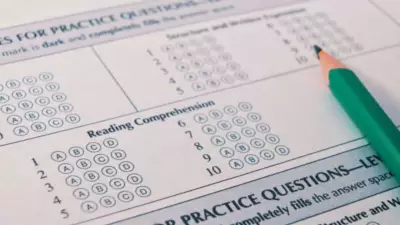
The new system specifically benefits students who face academic challenges during their annual examinations. According to the official guidelines, any student declared failed in one or more subjects, or those who remained absent during the annual examination, will now qualify to appear in the second examination.
The DPI letter explicitly states: "From the academic session 2025-26, instead of the supplementary examination, a second examination will be conducted for Classes 9 and 11 on the pattern of board examinations. Students who are declared failed or remain absent in 1 or more subjects in the annual examination will be eligible to appear in the second examination. The schedule for the second examination will be issued separately. All students must be duly informed in this regard."
Strategic Educational Objectives Behind the Reform
Education officials have identified multiple strategic benefits from this policy transformation:
- Reduction in dropout rates by providing immediate academic recovery opportunities
- Prevention of academic year loss for students facing subject-specific difficulties
- Decreased psychological stress associated with traditional failure consequences
- Enhanced student retention within the formal education system
Under the revised framework, students who successfully clear the second examination will receive immediate promotion within the same academic session, eliminating the previously mandatory waiting period.
Building on Previous Educational Reforms
This policy change represents an extension of educational reforms initiated last year for Classes 10 and 12, where supplementary examinations were similarly discontinued in favor of second board examinations. The consistent approach across grade levels demonstrates the state's commitment to progressive educational practices that prioritize student welfare and academic continuity.
Student and Expert Reactions to the Policy Change
The announcement has generated positive responses from both students and education professionals across Madhya Pradesh. Tulika Singh, a Class 11 student from Indore, expressed enthusiastic support: "Earlier, failing in just one subject meant losing an entire academic year or waiting indefinitely for a supplementary exam. This new system provides a fair and timely second chance that respects our academic efforts and reduces unnecessary pressure."
Education experts have described the decision as both practical and student-friendly. They emphasize that this forward-thinking policy will:

- Substantially lower academic stress levels among secondary school students
- Help maintain student engagement with the formal education system
- Provide constructive recovery mechanisms after academic setbacks
- Align Madhya Pradesh's educational practices with contemporary pedagogical approaches
The implementation of this second examination system marks a transformative moment in Madhya Pradesh's educational landscape, potentially serving as a model for other states considering similar student-centric reforms.