Nagpur Education Board Implements Stringent Security Overhaul After Major Scandal
Until recently, the extensive campus of the Nagpur Divisional Education Board in Civil Lines operated with minimal oversight, allowing unrestricted public movement through its corridors without any formal checks or questioning. This lax environment has undergone a dramatic transformation following security vulnerabilities exposed by a significant statewide scandal.
"Previously, individuals would park their vehicles on our premises due to the ample space available and then wander off to other locations without supervision," explained Shivling Patve, chairman of the divisional board. "This office contains highly sensitive and confidential documents, making such unchecked movement completely unacceptable moving forward."
Security Breaches Linked to Statewide Teacher Hiring Scandal
The catalyst for this security overhaul was the notorious Shalarth ID scam, a teacher hiring fraud that originated in Nagpur and sent shockwaves throughout Maharashtra's education system. Although the board itself isn't directly involved in teacher recruitment, investigations revealed connections extending to its offices. Notably, a senior board official from the Nagpur office faced arrest for alleged involvement in the fraudulent scheme.

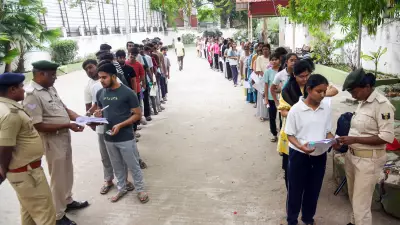
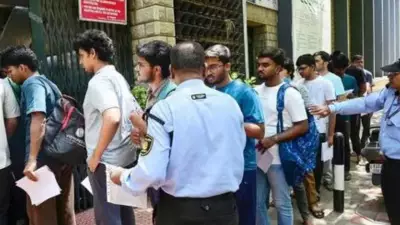
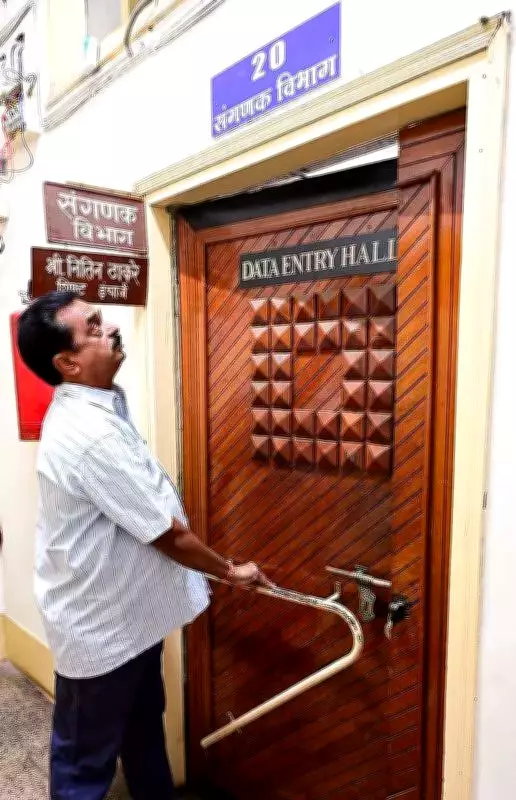
During an exclusive building tour, Patve demonstrated the newly implemented security protocols that have transformed visitor access through multiple protective layers. "This annex building houses all Class 12 question papers," he indicated, pointing toward an entry point secured by both board security personnel and Nagpur police officers. "As evident, entry now requires proper identification, authorization letters, and thorough screening upon both entry and exit."
Comprehensive Identification System and Access Control
Patve emphasized the mandatory identification requirements now enforced throughout the facility, displaying his own ID card prominently pinned to his shirt pocket. "Movement within the building is strictly prohibited without proper identification. Employees must visibly display their ID cards at all times, while official visitors receive temporary identification cards after verification."
The security process begins at the board office's main gate, where uniformed security personnel meticulously record vehicle registration numbers, visit purposes, and visitor details. A secondary security checkpoint at the building entrance issues visitor cards while maintaining detailed logs including names, contact numbers, and precise entry and exit timings.
Physical Security Enhancements and Document Protection
Previously featuring multiple entry points, the office building has now sealed all secondary access doors. Patve detailed the enhanced protection for sensitive areas: "Our strong rooms containing blank answer sheets and other confidential documents now have strictly limited access granted only to authorized personnel, ensuring complete accountability tracking."
Rooms designated as 'gopaniya' (confidential) now feature visible security measures including protective grill gates at entry points. "Even a single scrap of paper cannot be carelessly discarded here due to its confidential nature," Patve stressed. "We have established proper protocols that must be rigorously followed for all document handling."
Statewide Anti-Malpractice Campaign Driving Changes
This security transformation forms part of a broader mission to eliminate malpractices across all educational levels. Following the Shalarth ID scam exposure, School Education Minister Dadaji Bhuse and Minister of State Pankaj Bhoyar have implemented strict measures to address systemic vulnerabilities. Their efforts receive substantial support from State Education Commissioner Sachindra Singh, whose innovative approaches and uncompromising stance have driven significant departmental reforms.

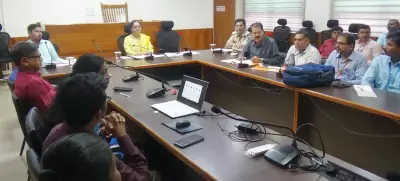
"Under their guidance, our anti-malpractice campaign has successfully engaged all stakeholders including principals, parents, teachers, and board employees," Patve elaborated. "For the past year, we've conducted extensive sensitization programs at school levels, emphasizing that students should never fear failure or resort to unethical measures during examinations or afterward. We've implemented comprehensive awareness campaigns teaching students about available second chances even if they experience academic setbacks."
The Nagpur Divisional Education Board's security revamp represents a fundamental shift from previous permissive practices to a rigorously controlled environment, reflecting heightened vigilance across Maharashtra's education administration following serious breaches of trust and procedure.