The National Council of Educational Research and Training has taken decisive action against textbook piracy. In a coordinated operation with the Delhi Police Crime Branch, authorities seized a massive haul of pirated educational materials.
Major Raid Uncovers Illegal Printing Operation
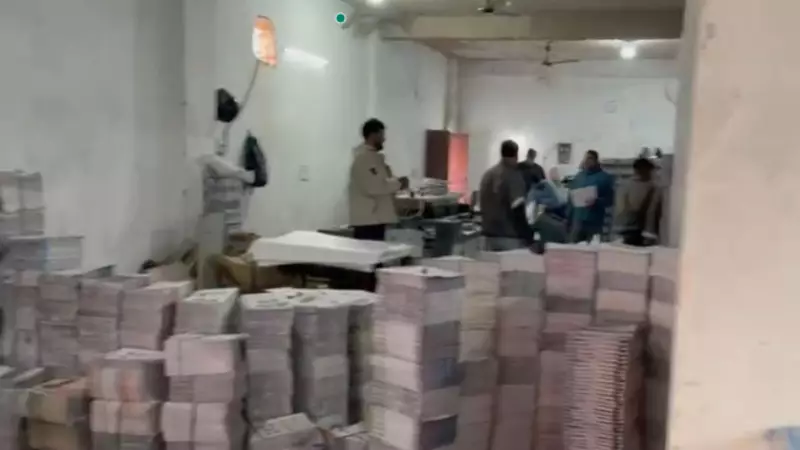
Acting on specific intelligence, Delhi Police conducted a raid at a printing facility in Village Jawli, Loni, Ghaziabad. This location falls within Uttar Pradesh but operates close to the national capital region. The operation targeted unauthorized reproduction of NCERT textbooks.
During the raid, officials confiscated approximately 32,000 pirated textbooks. These illegal copies covered various classes and subjects. The seizure represents a significant blow to the underground textbook market.

Evidence of Large-Scale Piracy Operation
Police recovered substantial evidence indicating organized illegal activity. The haul included two printing machines, aluminium printing plates, paper rolls, and printing ink. This equipment suggests the facility operated as a substantial piracy operation.
NCERT's Publication Division provided crucial technical assistance during the operation. Their experts helped identify and verify the pirated materials. This collaboration ensured accurate targeting of illegal publications.
Legal Action Based on Previous Investigation
The current operation stemmed from earlier investigative work. Delhi Police had registered a case under FIR No. 336/2025 dated November 11, 2025. Authorities applied relevant provisions of the Bharatiya Nyaya Sanhita and the Copyright Act of 1957.
NCERT officials emphasized the seriousness of such violations. Unauthorized printing, distribution, or sale of NCERT textbooks constitutes a punishable offense under Indian law. The council reiterated this position during the operation.
Impact on Education System
Pirated textbooks create multiple problems for students and educators. These illegal copies often contain substandard printing and incorrect content. Such materials can mislead students and compromise their education.
NCERT warned that piracy adversely affects the entire education system. The circulation of unauthorized materials undermines educational standards. It also violates intellectual property rights protected by copyright law.
Public Advisory on Textbook Purchases
Education officials issued clear guidance to the public. Students and parents should purchase NCERT textbooks only from authorized sources. This ensures they receive genuine materials with accurate content.
The council encouraged citizens to report suspected piracy cases. People can contact NCERT directly or approach local authorities. Such reports help combat illegal textbook distribution networks.
Organizational Challenges at NCERT
Meanwhile, NCERT faces significant staffing challenges. Recent data presented in the Rajya Sabha reveals concerning vacancy rates. The organization functions with more than half of its sanctioned positions unfilled.
Of the total 2,844 sanctioned posts across NCERT headquarters and regional institutes, only 1,219 positions currently have occupants. This leaves 1,625 vacancies across Group A, B, and C categories. The staffing shortage affects various departments and functions.
The Ministry of Education shared this information in response to parliamentary questions. Rajya Sabha MP Samirul Islam sought details about vacancies and recruitment patterns. The data covers the last five years of NCERT's operations.
Specific Institute Vacancies
Some NCERT institutes show particularly high vacancy rates. The Central Institute of Educational Technology has only 45 filled positions out of 116 sanctioned posts. Similarly, the North East Regional Institute of Education operates with just 26 occupied posts out of 55 sanctioned positions.
These staffing challenges occur even as NCERT conducts major anti-piracy operations. The organization must balance enforcement activities with its regular educational functions. The vacancy situation may affect NCERT's capacity to address piracy comprehensively.