NCERT Textbook Row: Academics Move Supreme Court to Explain Their Stand
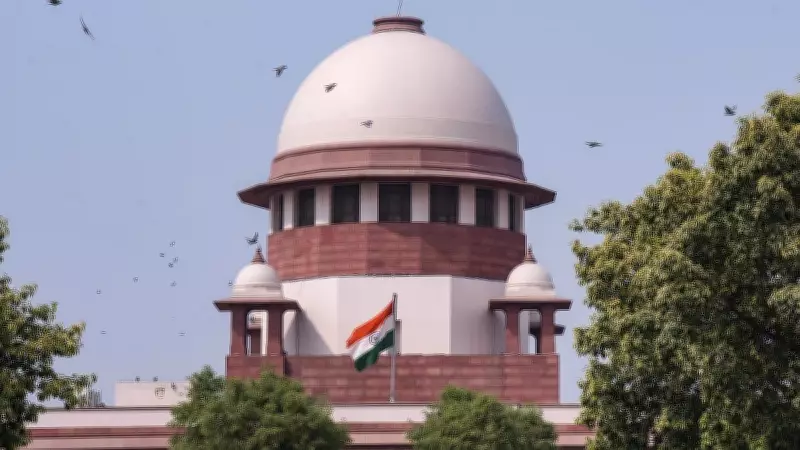
In a significant development in the ongoing NCERT textbook controversy, a group of academics has formally approached the Supreme Court of India to explain their stand. This move comes amid heated debates and public scrutiny over recent changes and deletions in the National Council of Educational Research and Training (NCERT) textbooks, which have sparked widespread discussion in educational and political circles.
Background of the Controversy
The NCERT textbook row centers on allegations that certain historical and social science content has been altered or removed from school curricula, leading to concerns about academic integrity and historical accuracy. Critics argue that these modifications could impact students' understanding of key events and figures, while supporters claim they are part of necessary updates to align with contemporary educational standards.
The controversy has drawn attention from various stakeholders, including educators, parents, and policymakers, highlighting the delicate balance between curriculum development and ideological influences in India's education system.

Academics' Legal Move
The academics involved in the case have filed a petition with the Supreme Court, seeking an opportunity to present their perspectives and clarify their roles in the textbook revisions. They aim to address misconceptions and provide a detailed explanation of their contributions to the NCERT's decision-making processes.
This legal step underscores the growing tension between academic freedom and institutional oversight, as the petitioners argue for transparency and accountability in educational reforms. By moving the Supreme Court, they hope to foster a more informed public discourse and ensure that their professional reputations are not unfairly tarnished by the ongoing controversy.
Implications for Education Policy
The NCERT textbook row has broader implications for India's education policy, raising questions about how curriculum content is developed and reviewed. It touches on issues such as:
- Academic Autonomy: The extent to which educators and scholars should have a say in textbook content without external interference.
- Historical Narratives: The challenge of presenting balanced and accurate historical accounts in educational materials.
- Public Trust: Maintaining confidence in educational institutions amid controversies over content changes.
As the case progresses in the Supreme Court, it is expected to set precedents for future educational reforms and highlight the importance of collaborative approaches in curriculum design.
Next Steps and Public Reaction
The Supreme Court's response to the academics' petition will be closely watched, as it could influence the trajectory of the NCERT textbook row. Public reaction has been mixed, with some groups supporting the academics' move for clarity, while others remain skeptical about the motivations behind the textbook changes.
This development adds a new layer to the ongoing debate, emphasizing the need for open dialogue and evidence-based decision-making in India's education sector. It serves as a reminder of the critical role that textbooks play in shaping young minds and the responsibility that comes with revising such influential materials.