NTA Unveils Comprehensive Guidelines for NEET UG 2026 Examination
As preparations intensify for the NEET UG 2026 examination, the National Testing Agency (NTA) has issued critical reminders and rules for candidates. The exam is scheduled for May 3, 2026, and will be conducted in pen-and-paper mode across various centers throughout India. This advisory aims to address common queries and ensure a smooth testing process for all participants.
Advance Intimation and Admit Card Details
The NTA had earlier released advance intimation slips on April 12, 2026, informing applicants of their allotted examination cities. Admit cards are expected to be issued shortly to registered candidates, providing essential details such as exam venue and timing. Candidates are advised to keep a close watch on official NTA portals for updates.
Security Arrangements and Frisking Procedures
To maintain integrity and security, the NTA has outlined strict frisking measures at entry points. Candidates will undergo compulsory frisking using sensitive metal detectors as part of the security protocols detailed in the official information bulletin. The agency emphasizes that adherence to these guidelines is crucial to prevent disqualification during any phase of the examination.

Dress Code Requirements for Candidates
The NTA has specified a dress code to facilitate the frisking process and ensure comfort. Candidates are expected to wear loose and light clothes without long sleeves. Recommended footwear includes slippers and flat-heeled shoes. Accessories such as watches, bangles, and other jewelry are strictly prohibited.
For those opting for customary attire, it is mandatory to report at least one hour before the last reporting time to complete frisking formalities. This measure ensures that all candidates are processed efficiently without delays.
Prohibited Items Inside Examination Centers
The agency has listed several items that are strictly barred within examination premises to prevent malpractice. These include:
- Any textual material or notes.
- Stationery items such as calculators, writing pads, or personal pens.
- Electronic devices including mobile phones, bluetooth devices, earphones, microphones, and health bands.
- Personal belongings like wallets, handbags, belts, caps, and metal accessories.
- Food articles and water bottles, except when prior permission is granted due to health reasons.
Candidates are reminded that watches of any kind are not allowed, and no electronic gadgets should be carried into the examination hall.
Instructions for OMR Sheet and Identity Proof
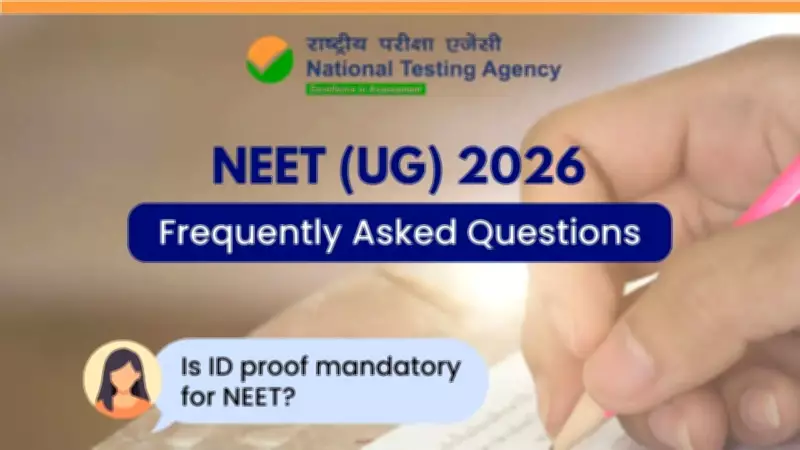
Students must exercise caution while filling the OMR sheet and should use only the pen provided at the exam center. A valid original identification proof is mandatory for entry; candidates without it will be denied access to the venue. This includes government-issued IDs such as Aadhaar cards, passports, or driver's licenses.
Reporting Time and Compliance
Candidates are required to reach their designated centers within the stipulated reporting time and follow all instructions issued by invigilators during the examination. Failure to comply with these guidelines may result in denial of entry or further disciplinary action under the examination regulations set by the NTA.
The advisory was shared on social media platform X to disseminate information widely and assist candidates in their preparation. As the exam date approaches, staying informed about these rules is essential for a hassle-free experience.