As a harsh winter grips northern India, the education system is facing a familiar yet formidable challenge. This year, the academic calendar is being reshaped not by exams or vacations, but by hazardous air quality, dense fog, and biting cold-wave conditions. State governments and district administrations are issuing a flurry of official orders, mandating significant changes in how and when students attend school to safeguard their health.
Delhi-NCR Enforces GRAP IV: A Shift to Online and Hybrid Learning
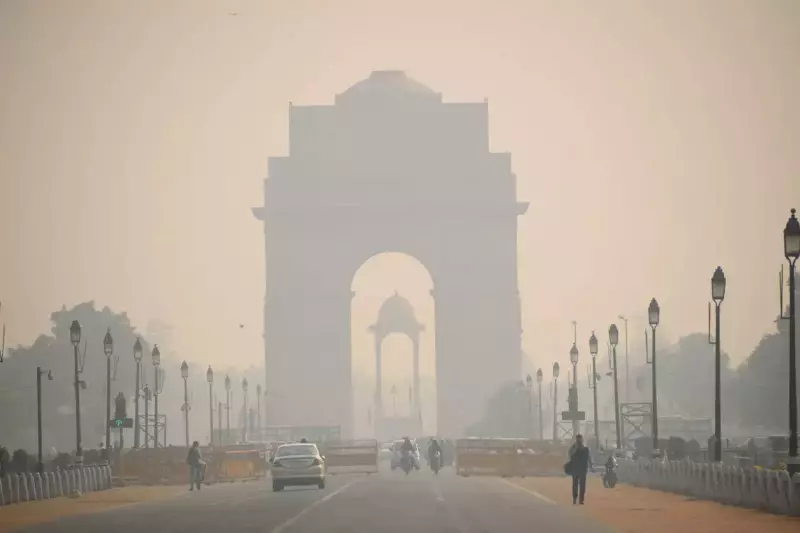
With air quality in the national capital consistently plunging into the severe category, authorities have activated Stage IV of the Graded Response Action Plan (GRAP), the most stringent anti-pollution protocol. Following directives from the Delhi Directorate of Education, all physical classes for students from nursery to Class V have been suspended and moved completely to online mode. For students in Classes VI to IX and Class XI, schools have been instructed to adopt a hybrid model, blending in-person and online sessions based on feasibility.
These mandates apply uniformly to government, government-aided, and recognized private schools. Mirroring Delhi's steps, district administrations in Noida and Ghaziabad have issued similar instructions, shifting primary classes online and allowing hybrid learning for senior students, in compliance with advisories from the Commission for Air Quality Management (CAQM).

Looking beyond immediate closures, the Delhi government has announced a longer-term solution under its 'Breathe Smart' initiative. Reports confirm plans to install air purifiers in 10,000 government school classrooms, starting with areas that experience the highest pollution levels during the winter months.
Uttar Pradesh and Bihar: Fog, Cold Wave Trigger Closures and New Timings
In Uttar Pradesh, the primary disruptor has been severe cold and fog, prompting district magistrates to issue localized closure orders based on India Meteorological Department (IMD) warnings. In Bareilly, schools up to Class 8 were ordered shut due to poor visibility and intense cold, affecting both government and private institutions, with exemptions only for pre-scheduled examinations.
Kanpur witnessed a two-day closure for all schools from Nursery to Class XII following an official weather alert. Several other districts, including Rampur, Shahjahanpur, Pilibhit, Budaun, and Gonda, have also announced temporary shutdowns for younger students, formally linking the decisions to prevailing adverse weather.
Authorities in Bihar have taken a slightly different approach. Instead of widespread closures, several districts have opted for revised school timings. In Madhubani, the district magistrate ordered that no academic activities be held before 11 am or after 3:30 pm for a specified period, a rule covering schools, pre-schools, and anganwadi centres. Patna implemented similar timing adjustments, allowing schools to start later and end earlier. However, Buxar district ordered the closure of schools for Classes 1 to 8 until December 25, prioritizing student safety amid intense cold.
Protecting Health While Minimizing Educational Disruption
The common thread across all these measures is the protection of children, who are among the most vulnerable to the effects of toxic air and extreme cold. Under GRAP IV, limiting physical attendance becomes mandatory when the Air Quality Index (AQI) hits hazardous levels. For cold-wave situations, district administrations rely on IMD advisories to issue legally binding orders.
While the responses vary—online classes in polluted metros, full closures in fog-affected districts, and adjusted timings in cold belts—the core objective remains unified: to shield student health while keeping learning disruptions to a minimum. Officials have clarified that these are dynamic, temporary measures subject to change based on daily AQI readings and weather forecasts.

Parents and guardians are advised to stay updated by following official notices from their district administration and education departments, paying close attention to school circulars, and avoiding early morning outdoor exposure for children during peak pollution and cold hours. As winter conditions continue to fluctuate, further adjustments to school operations are expected in the coming weeks.