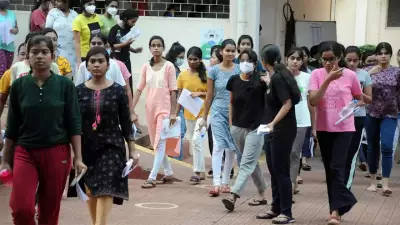
In the Indian educational landscape, examinations transcend the boundaries of classrooms, deeply influencing household dynamics, daily routines, and a child's self-worth. For decades, academic marks were synonymous with success, with stress being a tacitly accepted norm. It was within this context that the Pariksha Pe Charcha (PPC) initiative was launched in 2018.
More Than Just an Interaction: The Scale of PPC 2026
Conceived as a direct dialogue between the Prime Minister and students, PPC aimed to spark a national conversation focused not on scoring higher, but on coping better. It has since evolved into one of India's largest education-centric public engagement programs, involving students, parents, and teachers alike. The scale of PPC 2026 is monumental, with a staggering 1,70,71,851 student registrations this year. While only a select few get to interact with the Prime Minister in person, the program's influence reaches millions, reshaping perspectives on learning, pressure, and potential through shared questions and experiences.
1. Normalising Academic Stress and Anxiety
A common belief among students is that they are alone in their struggles. PPC shatters this illusion. When lakhs of participants voice concerns about anxiety, fear, and pressure, a collective realization dawns. Stress ceases to be viewed as a personal shortcoming and transforms into a shared, universal experience. This validation is crucial, offering immense relief and reminding students that feeling overwhelmed is not an indicator of weakness or failure.

2. Shifting Focus from Marks to Holistic Growth
While not undermining the importance of examinations, PPC consistently challenges the obsessive fixation on marks. The dialogue repeatedly emphasizes the value of consistent effort, frames learning as a lifelong journey, and asserts that a single exam result does not define one's destiny. This narrative gradually alters the student's definition of success, making personal improvement more significant than peer comparison. Progress starts to feel like an individual achievement rather than a competitive race.
3. Fostering Self-Reflection and Learning Awareness
The initiative is built on a foundation of questions, not directives. It prompts students to introspect about their study habits, underlying fears, and sources of motivation. Many engage in self-reflection on topics they had never previously considered. This process builds metacognitive awareness, teaching young minds to understand their own thought processes—a skill that remains invaluable long after the exam season concludes.
4. Redefining the Perception of Failure
Traditionally, failure has been a source of dread. PPC addresses it with a radically different perspective. Students hear that mistakes are integral to the learning process, setbacks are not permanent, and genuine growth often begins outside one's comfort zone. This empowering message grants students the psychological permission to experiment, take calculated risks, and learn without the paralyzing fear of being wrong.
5. Improving Dialogue at Home and in School
The program's audience extends beyond students. As parents and teachers listen to the nationwide conversation, they too begin to reflect. Parents reconsider the unintended pressure they may exert, and teachers rethink their guidance methods. This often leads to softened expectations and more empathetic communication. When adults evolve their listening skills, students feel safer, trust deepens, and education begins to feel less like a solitary burden and more like a collaborative endeavour.
6. Connecting Education to a Larger Purpose
A recurring theme in PPC is the idea that education serves a purpose far greater than examinations. Students are encouraged to contemplate how their learning connects to societal problem-solving, innovation, and civic responsibility. This instills a deeper sense of meaning and purpose in their academic pursuits. They start to see themselves not merely as exam candidates, but as future contributors who can make a difference in their own unique ways.

From its inception in 2018 to its record-breaking participation in 2026, Pariksha Pe Charcha has become a significant cultural touchstone in Indian education. By addressing the human element behind the examination system, it is gradually changing the narrative from one of fear and isolation to one of resilience, shared experience, and holistic development.