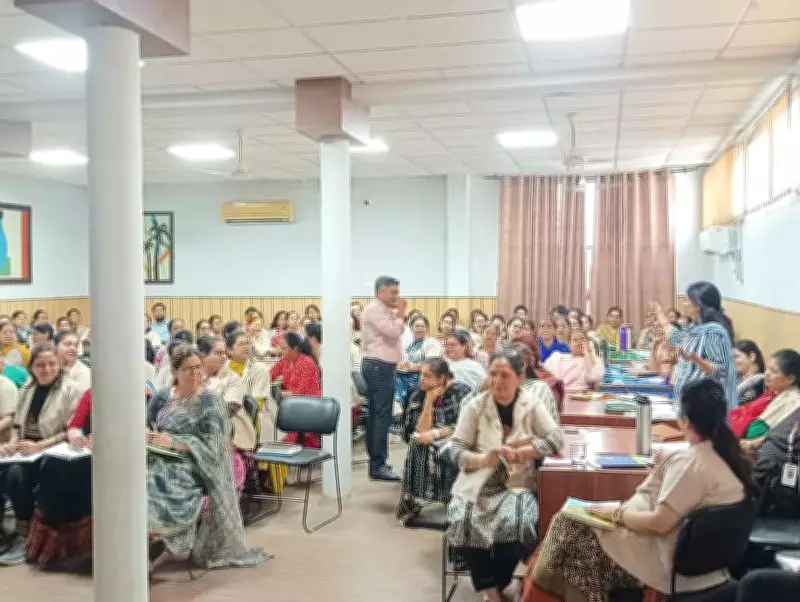
Workshop on Positive Discipline in Schools Promotes Non-Violent Education
A significant workshop focusing on positive discipline in schools has been conducted, aiming to promote non-violent teaching methods and create more supportive learning environments. This initiative seeks to address the issue of corporal punishment by providing educators with alternative strategies for managing student behavior effectively.
Objectives of the Positive Discipline Workshop
The workshop was designed with several key objectives in mind. Firstly, it aimed to educate teachers and school administrators about the principles of positive discipline, which emphasize respect, communication, and problem-solving over punitive measures. Secondly, the program provided practical tools and techniques for implementing these methods in classroom settings, such as using positive reinforcement, setting clear expectations, and fostering a sense of community among students.
Additionally, the workshop highlighted the importance of understanding child psychology and developmental stages to tailor disciplinary approaches appropriately. By doing so, it helps reduce instances of corporal punishment, which has been linked to negative outcomes like increased aggression and decreased academic performance in students.

Impact on School Environments and Student Well-being
The implementation of positive discipline strategies is expected to have a profound impact on school environments. Schools that adopt these methods often report improved student-teacher relationships, as teachers learn to address behavioral issues through dialogue and empathy rather than punishment. This can lead to a more inclusive and respectful atmosphere where students feel safe and valued.
Moreover, positive discipline contributes to better student well-being by reducing stress and anxiety associated with harsh disciplinary actions. It encourages students to take responsibility for their actions and develop self-regulation skills, which are crucial for their overall development. The workshop also touched on the role of parents and the community in supporting these efforts, emphasizing a collaborative approach to discipline.
Challenges and Future Directions
Despite the benefits, there are challenges in widespread adoption of positive discipline. Some educators may resist change due to traditional beliefs or lack of training. The workshop addressed these barriers by offering ongoing support and resources for schools to integrate positive discipline into their policies and practices.
Looking ahead, there are plans to expand such workshops to more schools and regions, with a focus on continuous professional development for teachers. This initiative aligns with broader educational reforms aimed at fostering holistic development and reducing violence in schools, ultimately contributing to a more equitable and effective education system.