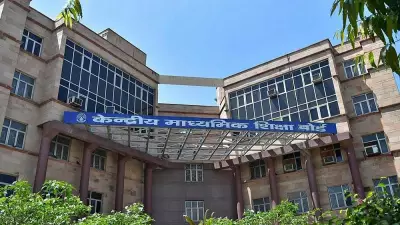
Prayagraj District Announces Annual Examination Schedule for Basic Schools
Officials in Prayagraj have confirmed that the annual examinations for students in Classes 1 to VIII across all basic schools in the district will commence on March 16 and conclude on March 20. This five-day assessment period marks a critical evaluation phase for thousands of young learners.
Comprehensive Subject Coverage and Examination Structure
The examinations will encompass a wide range of academic subjects including Hindi, English, mathematics, science, social studies, environmental education, sports and physical education or scouting, art or music, Sanskrit or Urdu, moral education, and basic craft or agriculture and home science. Students will receive traditional marks for these core subjects based on their performance.
District Basic Education Officer Anil Kumar detailed the examination schedule, revealing that tests will be conducted in two daily shifts: from 9:30 am to 11:30 am and from 12:30 pm to 2:30 pm. The assessment format varies significantly by grade level to accommodate developmental differences.

Varied Assessment Methods Across Grade Levels
For Class I students, evaluations will be conducted entirely through oral examinations. Students in Classes II and III will face a balanced approach with 50% of their evaluation based on oral assessments and the remainder from written components. The weighting shifts for older students, with Classes IV and V receiving 70% of their marks from written exams and 30% from oral tests. For the senior most group in basic schools, Classes VI to VIII, all subjects will feature written examinations carrying a maximum of 50 marks each.
Holistic Evaluation of Co-Curricular Activities
Beyond academic subjects, students will undergo evaluation for 11 additional co-curricular activities. Unlike traditional subjects, these activities will be assessed using a grading system rather than numerical marks. This comprehensive assessment focuses on multiple dimensions of student development throughout the academic year.
Teachers will evaluate numerous behavioral and participatory aspects including punctuality, discipline, etiquette, cleanliness, personal hygiene, and participation in morning assemblies. The assessment extends to student behavior during mid-day meals, participation in sports and cultural activities, and demonstration of creative skills in areas such as drawing, music, and practical work.
Leadership, Cooperation and Attendance Recognition
The evaluation framework also considers qualitative attributes like leadership ability and cooperative spirit, with these assessments being formally recorded in student report cards. Attendance tracking receives special emphasis, with students maintaining perfect 100% attendance at the school level receiving formal recognition and honors for their consistency.
This integrated approach to student assessment represents a significant shift toward holistic education evaluation, balancing academic performance with behavioral development and extracurricular participation. The system aims to provide a more complete picture of student growth and achievement throughout the academic year.