PTM Checklist: Don't Walk Into a Parent-Teacher Meeting Unprepared
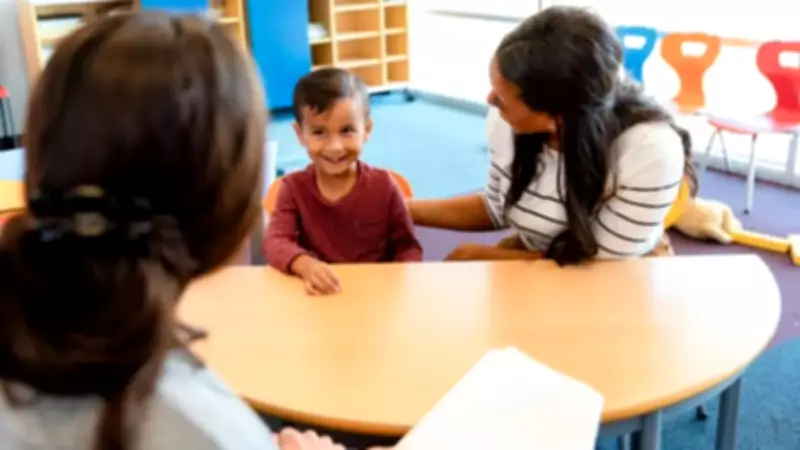
A Parent-Teacher Meeting (PTM) is a critical opportunity for parents to gain valuable insights into their child's academic progress, behavioral patterns, and overall development. However, many parents attend these meetings without adequate preparation, missing out on the chance to address key issues and collaborate effectively with educators. Experts unanimously agree that proper preparation is essential to make the most of this important interaction, which can significantly benefit your child's educational journey.
Prepare in Advance: Review All Relevant Materials
Before attending a PTM, it is crucial to thoroughly examine your child's notebooks, report cards, teacher feedback, homework assignments, and any other study-related documents. This proactive approach helps you identify both the strengths and areas needing improvement in your child's performance. Additionally, it demonstrates to the teacher that you are actively engaged and invested in your child's academic growth, fostering a positive and collaborative relationship.
Write Down Your Questions: Avoid Forgetting Key Points
During a PTM, the discussion can become overwhelming, leading parents to forget important questions they intended to ask. To prevent this, create a detailed list of topics and concerns you wish to discuss with the teacher beforehand. This ensures that the meeting remains focused and productive, allowing you to address all relevant issues and gain meaningful insights into your child's school experience.

Do Not Focus Solely on Marks: Consider Holistic Development
While grades and marks are important indicators of academic performance, they should not dominate the PTM conversation. It is equally vital to discuss your child's behavior in the classroom, participation levels, social skills, and emotional well-being. Remember that a child's development encompasses more than just academic achievements; therefore, prioritizing discussions on emotional and social growth can lead to a more balanced and supportive educational environment.
Accept Teachers' Criticism Positively: Foster Constructive Dialogue
Parents often react defensively or negatively when teachers provide critical feedback about their children. Instead of becoming confrontational, approach such criticism with an open mind and a willingness to collaborate. Responding positively and proactively helps create a respectful atmosphere conducive to problem-solving and mutual understanding, ultimately benefiting your child's learning experience.
Inform Teachers of Your Child's Condition: Enhance Communication
Teachers observe children in a school setting, which may differ significantly from their home environment. Therefore, it is essential to share relevant information about any changes in your child's behavior, health conditions, or personal circumstances. Effective communication between parents and teachers ensures that educators have a comprehensive understanding of the child, enabling them to provide tailored support and address potential issues promptly.
By following this PTM checklist, parents can transform these meetings into productive sessions that promote their child's academic success and personal growth. Proper preparation not only maximizes the benefits of the interaction but also strengthens the partnership between home and school, creating a supportive framework for the child's overall development.