Punjab Computer Science Practical Exam Conducted Amid Severe System Shortage
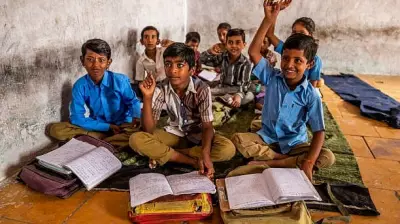
In a concerning development for the education sector in Punjab, students across the state were forced to appear for their practical computer science examination without access to sufficient computer systems. This incident has sparked widespread criticism and raised serious questions about the adequacy of infrastructure in government schools and examination centers.
Examination Day Chaos and Student Struggles
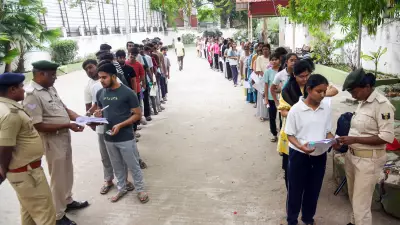
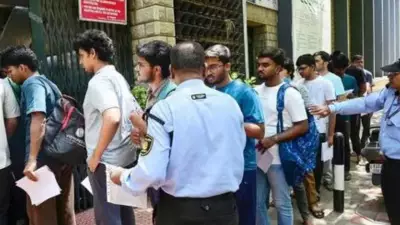
On the day of the practical examination, numerous students arrived at their designated centers only to find a severe shortage of functional computers. Reports indicate that in many locations, the number of available systems was far below the required count, leading to chaotic scenes and significant distress among examinees.
Students were compelled to share systems or wait for extended periods, disrupting the flow of the examination and potentially compromising their performance. The practical component of the computer science exam is crucial for assessing hands-on skills, and the lack of adequate resources directly impacts the fairness and validity of the assessment process.

Root Causes and Systemic Failures
The system shortage highlights deeper issues within Punjab's educational infrastructure. Several factors contributed to this crisis:
- Insufficient procurement and maintenance of computer hardware in government schools.
- Poor planning and coordination by examination authorities regarding resource allocation.
- Inadequate funding or mismanagement of funds earmarked for educational technology.
- Failure to conduct pre-examination checks to ensure all centers were properly equipped.
This incident is not an isolated one but part of a pattern of neglect that affects the quality of education in the state. The practical nature of computer science demands reliable and sufficient technological resources, which were evidently lacking.
Implications for Students and Educational Equity
The shortage of systems during the exam has serious consequences for students. Those from economically disadvantaged backgrounds, who rely on school facilities for computer access, are disproportionately affected. This creates an uneven playing field, where students with personal resources at home may have an unfair advantage.
The psychological impact on students cannot be overlooked. The stress of navigating an examination under such adverse conditions can lead to anxiety and poor performance, potentially affecting their academic futures and career prospects in technology-related fields.
Calls for Accountability and Reform
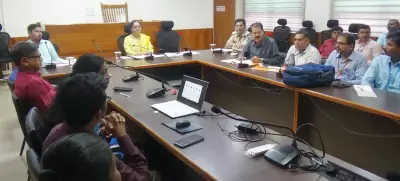
In response to the crisis, parents, educators, and student organizations have demanded immediate action from the Punjab government and education department. Key demands include:
- A thorough investigation into the causes of the system shortage and identification of responsible parties.
- Compensation or reevaluation for affected students to ensure their grades are not unfairly penalized.
- Urgent investment in upgrading computer infrastructure across all government schools.
- Implementation of strict protocols for pre-examination verification of resources at all centers.
The incident serves as a stark reminder of the urgent need for systemic reforms in Punjab's education system. Ensuring that all students have access to necessary technological tools is essential for fostering digital literacy and preparing youth for the demands of the modern workforce.
Looking Ahead: Steps to Prevent Future Crises
To prevent a recurrence of such incidents, the education department must take proactive measures. This includes regular audits of computer facilities, timely maintenance and replacement of outdated systems, and better coordination between schools and examination boards. Additionally, exploring public-private partnerships could help bridge resource gaps and enhance technological access in underserved areas.

The computer science exam debacle in Punjab underscores the critical importance of robust educational infrastructure. As technology continues to play a central role in all aspects of life, ensuring that students are not disadvantaged by systemic failures must be a top priority for policymakers and educators alike.