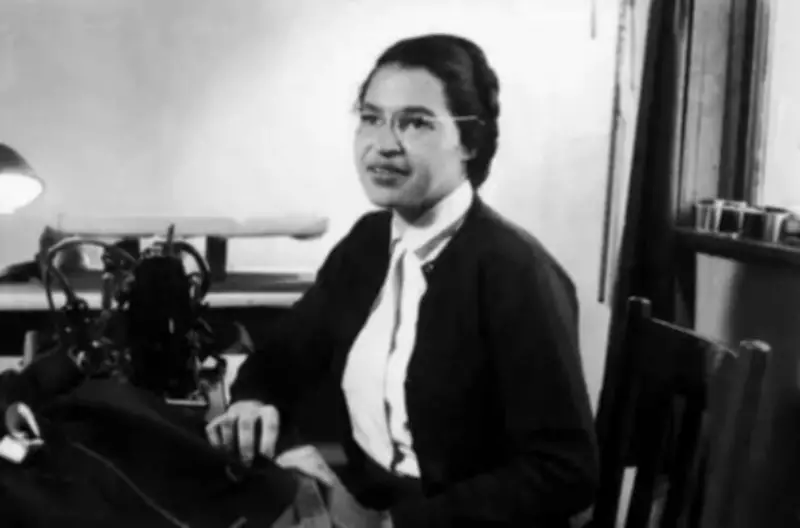
Rosa Parks' Enduring Wisdom: Five Transformative Lessons for Today's Students
February 4th commemorates the birth anniversary of Rosa Parks, the civil rights icon whose quiet defiance on a segregated Montgomery bus in 1955 became a catalyst for monumental change in American society. While popular narratives often attribute her refusal to move to physical exhaustion, Parks herself offered a more profound explanation in her memoir, Quiet Strength. Her action stemmed not from weariness, but from a deep-seated clarity of purpose.
Her powerful reflection, "I have learned over the years that when one's mind is made up, this diminishes fear; knowing what must be done does away with fear," resonates powerfully beyond the history books. For students navigating the complexities of academic pressure, social dynamics, and personal growth, this statement holds invaluable guidance. Here are five essential lessons students can internalize from Rosa Parks' enduring words.
1. Clarity Precedes Confidence, Not the Other Way Around
Students are frequently instructed to "be confident" before taking action. Rosa Parks' experience suggests an alternative sequence. For her, confidence was a consequence, not a prerequisite. The fear she felt did not vanish magically; it diminished once her resolution was firm and her course of action clear.

This insight is crucial for students facing decisions—be it selecting an academic stream, participating in class discussions, or standing firm against peer pressure. Anxiety often persists in the face of indecision. Achieving clarity, while it does not eliminate challenges, significantly reduces the paralysis that fear can induce, empowering students to move forward with purpose.
2. Moral Conviction is Cultivated, Not Instantaneous
Parks explicitly notes she learned this principle "over the years." Her steadfast resolve on that December day was not a sudden impulse but the culmination of prolonged experience, personal reflection, and growing awareness of injustice.
This serves as a vital reminder for students who may expect ethical certainty to arrive instantly. In reality, personal values and moral frameworks develop gradually. They are shaped through continuous learning—reading diverse perspectives, engaging in thoughtful discussions, observing the world, and even confronting contradictions. True education involves not just memorizing answers, but developing the capacity to reason and arrive at principled conclusions over time.
3. Quiet Resolve Can Ignite Public Transformation
Rosa Parks' act of civil disobedience was not loud or overtly dramatic. It was a simple, quiet refusal. Yet, this individual choice sparked the Montgomery Bus Boycott and became a pivotal moment in the Civil Rights Movement.
Students are often led to believe that creating impact requires grand gestures or high visibility. Parks' legacy demonstrates that the intent and principle behind an action carry more weight than its scale. A small, personal decision, when rooted in challenging an unfair system, can create powerful ripples, encouraging others and contributing to broader societal change.
4. Ethical Clarity Differs from Personal Safety
Parks never claimed her decision was without risk. She acknowledged the dangers but emphasized that knowing what was morally necessary helped diminish the fear associated with those risks.
This is a critical distinction for students, who may conflate doing what is right with doing what is safe. Actions like speaking truthfully, questioning unjust authority, or refusing to participate in unethical practices often carry potential consequences. A robust education should help students recognize that ethical clarity does not guarantee comfort or security. Instead, it provides a moral compass and direction, even when the path is difficult.
5. Education Encompasses Knowing When to Refuse
A significant portion of formal schooling trains students in compliance—following rules, adhering to schedules, and meeting expectations. Rosa Parks' example reminds us that a complete education must also include understanding when compliance perpetuates injustice.

This does not advocate for constant defiance. Rather, it highlights the importance of developing critical judgment. It involves:
- Understanding the rules and their context.
- Recognizing situations where blind adherence supports unfair systems.
- Discerning those pivotal moments when refusal is not mere disruption, but a profound act of responsibility and integrity.
On this anniversary, Rosa Parks' legacy extends far beyond a historical event. Her words offer a timeless framework for students to build courage, cultivate moral reasoning, and understand that their choices, however quiet, hold the power to shape both their own character and the world around them.