San Francisco Teachers Announce Strike Threat After Contract Negotiations Fail
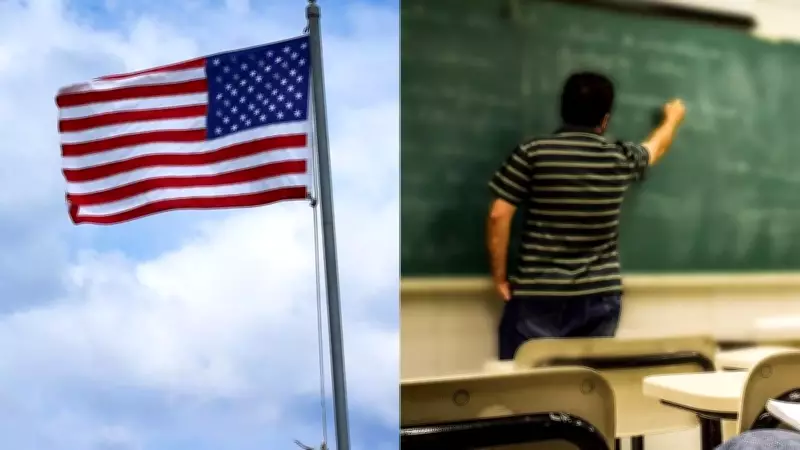
San Francisco's public school system is confronting a critical moment that many had hoped to avoid. After nearly a year of unsuccessful contract negotiations, teachers have formally notified the San Francisco Unified School District this week that they are prepared to initiate a strike beginning Monday. This action would represent the city's first educators' walkout since 1979, according to reports from the San Francisco Chronicle.
Impending Disruption for Thousands of Students
Superintendent Maria Su confirmed on Thursday morning that bargaining discussions had reached a complete stalemate. Unless a last-minute agreement is achieved in the coming days, thousands of educators will be stationed on picket lines instead of inside classrooms. This development would leave approximately 48,000 students and their families urgently searching for alternative arrangements and educational support.
Union leaders expressed that the decision to proceed with strike preparations was deeply painful but ultimately unavoidable given the circumstances. "We did not come to this decision lightly," stated Cassondra Curiel, president of the teachers union, in comments to the San Francisco Chronicle. "We want to be in our classrooms and school sites with all of our students. The urgency is real." The union provided a four-day notice specifically to allow families adequate time to prepare for potential disruptions.

District Efforts to Avert a Shutdown
District officials emphasized that they are still actively working to prevent a full-scale shutdown of schools. "We value our educators, and I do not want a strike," Superintendent Su declared in an official statement. "I share the concern and uncertainty this creates for families. I am committed to working around the clock to reach an agreement while also preparing for possible disruptions to the school day."
Su indicated that the district planned to present a new proposal during a Thursday evening bargaining session. This proposal would temporarily cover family health care costs and "provide wages we can afford." Additional updates were promised to follow as negotiations progressed. Currently, it remains uncertain whether any schools would remain operational if teachers proceed with the walkout.
Contract Dispute Years in the Making
The current standoff brings to the surface months of unresolved tension between the district and the union, which represents not only teachers but also classroom aides, counselors, nurses, and social workers. Talks deteriorated late last year after mediation and a formal fact-finding process failed to reconcile differences over key issues:
- Salary increases and compensation packages
- Health benefits and insurance coverage
- Special education staffing levels
- Classroom resources and support materials
Health care costs sit at the very center of the dispute. Union members currently pay around $1,200 monthly for family coverage, a figure projected to rise to $1,500 according to media reports. The district has offered to fully absorb these costs, but only for the next three years, after which the designated funding would be exhausted. Union leaders argue that this approach merely postpones an inevitable crisis rather than providing a sustainable solution.
Curiel confirmed that bargaining teams would return to negotiations on both Thursday and Friday evenings, stressing that a mutually acceptable deal remains within reach if both parties demonstrate flexibility and commitment.
Fact-Finding Report Fuels Frustration
A recent fact-finding report authored by neutral panelists largely echoed the district's warnings about financial constraints while simultaneously acknowledging the necessity for salary increases and fully funded health care provisions. For union leaders, however, the document fell significantly short of addressing what schools genuinely require to function effectively and support both educators and students.

A Rare Walkout with Deep Historical Echoes
If teachers follow through with their strike threat, it would mark San Francisco's first educational labor action since 1979. During that historic walkout, educators remained off the job for seven weeks amid widespread layoffs and intense pay disputes following Proposition 13's sweeping cuts to education funding. The city now waits anxiously as the current situation unfolds.
With bargaining sessions scheduled and pressure mounting by the hour, both sides face an extremely narrow window to find common ground. The goal remains to spare San Francisco students from becoming collateral damage in a labor conflict that has been decades in the making.