Dharwad's Saptapur: The 'Kota of North Karnataka' for Competitive Exam Aspirants
A cluster of narrow streets in Saptapur, Dharwad, has evolved into one of north Karnataka's largest and most significant competitive exam coaching hubs. With nearly 45 to 50 institutes operating from rented buildings, this locality draws thousands of government job aspirants every year, creating a vibrant ecosystem dedicated to exam preparation.
The Rise of a Coaching Powerhouse
Often dubbed as Dharwad's ‘Kota', Saptapur recently gained attention when coaching centers played a crucial role in mobilizing candidates for a large rally. This protest demanded the filling of over 40,000 vacant posts across various state government departments. For the second time in just six months, aspirants staged a massive demonstration, prompting the state government to announce plans to recruit more than 50,000 candidates over the next year.
Graduates, postgraduates, engineering students preparing for central and state services, allied posts, and teachers' recruitment examinations flock to Dharwad specifically for coaching. Many simultaneously enroll in postgraduate courses at Karnatak University and nearby colleges, using the city as a strategic base camp for their long-term preparation journeys.

Economic and Social Dynamics
Most aspirants come from farming and lower middle-class families, choosing Dharwad over Bengaluru primarily due to significantly lower living costs. However, coaching center owners acknowledge that uncertainty over state recruitment in recent years has adversely affected both preparation plans and the stability of Saptapur's coaching ecosystem.
Candidates like Sachin Pujar, Rahul Bagi from Yadagiri, Huligemma Nayak from Koppal, Harashtha Gouda from Mangaluru, and N Ningamma Padashetti from Kalaburagi reveal that each aspirant spends approximately Rs 60,000 to Rs 70,000 annually on hostel accommodation, food, and related expenses during their stay in Saptapur. Many persist with their preparations for two to three years, holding onto hope for securing a government job.
A Self-Contained Ecosystem
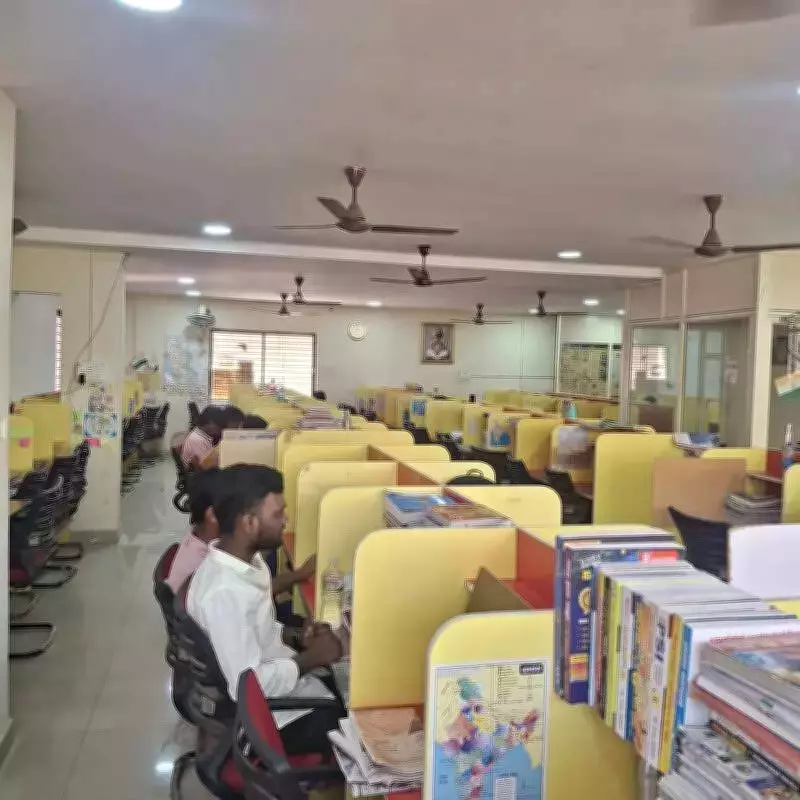
Over the years, Saptapur has developed into a comprehensive, self-contained ecosystem. Coaching centers operate from rented premises, while numerous eateries, hotels, stationery shops, hostels, paying guest accommodations, 24-hour libraries, and mess facilities specifically cater to these job aspirants and students. Some institutes even provide in-house hostel and mess facilities to attract and retain students.
Several centers have embraced digital outreach, operating mobile applications and YouTube channels to draw aspirants from Kittur Karnataka, Kalyana Karnataka, coastal districts, Tumakuru, and Davangere.
Historical Transformation and Current Challenges
Laxman Uppar, founder chairman of the Classic KAS and IAS study centre, explains that Saptapur's transformation began when students unable to secure university hostels started staying in paying guest accommodations in the area. He initiated coaching classes for teachers' recruitment and Nettur Technical Training Foundation (NTTF) entrance examinations in 1997-98, moving operations to Saptapur in 2009-10. The stretch from KCD Circle to Srinagar Cross has evolved into a dedicated coaching hub over the past 15 years. His institute also publishes ‘Spardha Spoorti', a monthly general knowledge magazine for competitive exam aspirants.
Veeresh Meeti, coordinator of Gurudev Coaching Centre, notes that most institutes traditionally focused on police sub-inspector (PSI), police constable (PC), first division assistant (FDA), second division assistant (SDA), and teachers' recruitment exams. However, due to limited state recruitment over the past three to four years, centers have shifted focus to Staff Selection Commission general duty (SSC GD), multi-tasking Staff (MTS), Railway Recruitment Board (RRB) non-technical posts, Group D Central government jobs, and banking examinations.
Monthly coaching fees range from Rs 5,000 to Rs 15,000, and in some premium institutes, up to Rs 25,000, depending on the course structure and duration.

Impact of Recruitment Uncertainty
Siddanna Dalwayi, founder director of Spardha Genius Academy, highlights that the absence of a substantial recruitment drive for state government jobs has forced many candidates to return to their native places. Previously, enrollment ranged between 600 and 800 students in small and medium institutes and 1,000 to 1,500 in larger centers. Currently, numbers have plummeted to 100 to 150 in smaller centers and 500 to 600 in larger ones.
Some institutes are struggling to meet rent and staff salary expenses, prompting urgent calls for the government to issue recruitment notifications to revitalize the ecosystem.
Basavaraj Jenakatti, founder of Yuvaratna Career Academy, confirms their strategic pivot toward defense and Central government posts, citing the persistent lack of state government appointments as the primary driver for this shift.
The story of Saptapur is one of remarkable growth and adaptation, yet it underscores the critical dependency of local economies on consistent government recruitment policies, affecting thousands of aspirants and the businesses that support their dreams.