Supreme Court Orders Ban and Seizure of NCERT Class 8 Textbook Over Judiciary Corruption Chapter
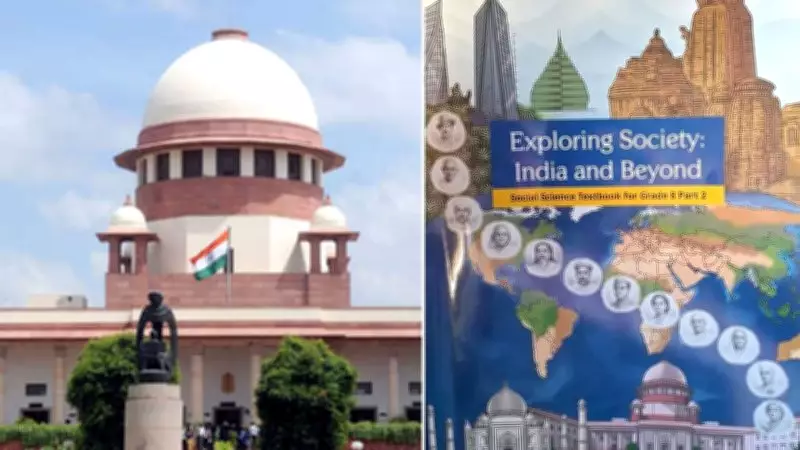
The Supreme Court of India has issued a landmark order to ban a National Council of Educational Research and Training (NCERT) textbook for Class 8 students. This decisive action was taken due to concerns over a specific chapter within the book that discusses corruption in the judiciary. The court has mandated the immediate seizure of all physical copies of the textbook and has also ordered a comprehensive digital takedown to prevent its further distribution online.
Court's Rationale for the Ban
In its ruling, the Supreme Court emphasized that the controversial chapter contained content that could potentially mislead young students and undermine public trust in the judicial system. The bench expressed serious apprehensions about the educational material presenting what they described as unverified or misleading information regarding judicial integrity. The court stated that such content in a school textbook, aimed at impressionable minds, was unacceptable and posed a risk to the foundational principles of justice and rule of law in the country.
Immediate Enforcement of Seizure and Digital Removal
The court's order includes strict directives for the enforcement of the ban. Authorities have been instructed to confiscate all existing physical copies of the NCERT Class 8 textbook from schools, bookstores, and distributors nationwide. Simultaneously, the order requires digital platforms and educational websites to remove any electronic versions or references to the book to ensure complete compliance. This dual approach aims to eliminate access to the contentious material both offline and online, reflecting the court's commitment to swift and effective action.

Impact on Educational Institutions and Stakeholders
This ruling has significant implications for educational institutions, teachers, and students across India. Schools are now tasked with replacing the banned textbook with alternative materials approved by NCERT or other educational bodies. The decision has sparked discussions among educators and parents about the balance between academic freedom and the need to protect students from potentially harmful content. Some stakeholders have raised concerns about the precedent this sets for censorship in educational resources, while others support the court's move to safeguard judicial credibility.
Broader Context and Reactions
The NCERT row highlights ongoing debates about curriculum content and its alignment with national values. This incident follows previous controversies involving textbook revisions and their portrayal of historical or social issues. Legal experts and civil society groups are closely monitoring the situation, with some calling for transparent guidelines on textbook approval processes to prevent similar disputes in the future. The Supreme Court's intervention underscores the judiciary's proactive role in addressing perceived threats to institutional integrity through educational channels.
As the enforcement of the ban proceeds, the focus will shift to how NCERT and educational authorities adapt to this development. The case serves as a reminder of the critical intersection between education, law, and public trust in democratic institutions.