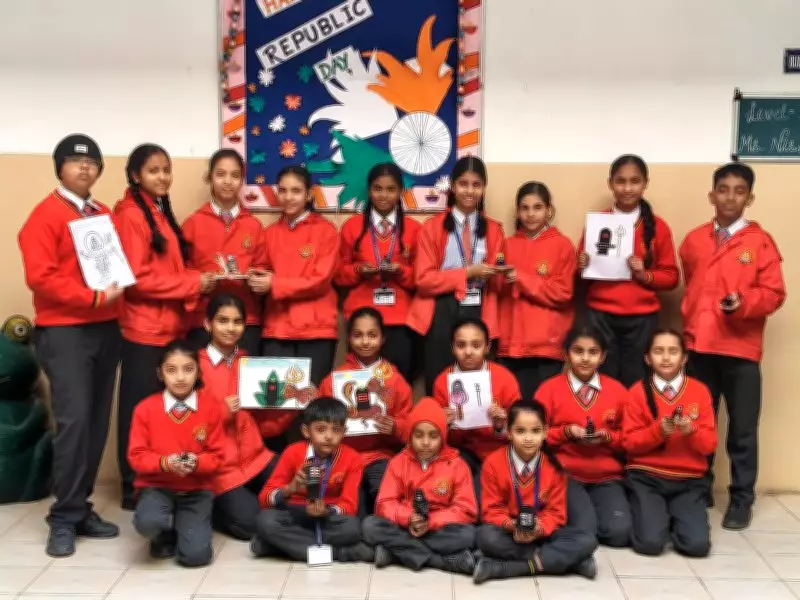
Shivling Making Activity Organized in Schools to Promote Cultural Heritage
In a unique educational initiative, schools have recently organized Shivling making activities for students, aiming to blend cultural learning with hands-on creativity. This program is designed to educate young minds about the significance of the Shivling in Hindu traditions, while also enhancing their artistic skills and spiritual awareness.
Objectives of the Shivling Making Activity
The primary goal of this activity is to instill a sense of cultural pride and understanding among students. By engaging in the process of creating Shivlings, participants learn about the religious and historical importance of this symbol in Hinduism. Educators emphasize that such activities help bridge the gap between theoretical knowledge and practical application, making learning more interactive and memorable.
Key aspects of the initiative include:

- Promoting awareness of Hindu cultural heritage among the youth.
- Encouraging creativity and fine motor skills through art and craft.
- Fostering respect for diverse religious traditions in a multicultural society.
- Providing a platform for students to express their spirituality in a tangible form.
Implementation and Student Participation
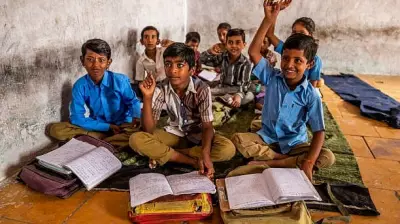
Schools have implemented the Shivling making activity as part of their extracurricular or cultural education programs. Students are provided with materials such as clay, paint, and decorative items to craft their own Shivlings. Teachers guide them through the process, explaining the symbolism behind the Shivling, which represents Lord Shiva and is considered a sacred object in Hindu worship.
This hands-on approach has been widely appreciated by parents and educators alike, as it not only teaches cultural values but also promotes teamwork and patience among students. Many schools have reported high levels of enthusiasm and participation, with students showcasing their creations in school exhibitions or cultural events.
Impact on Education and Community
The Shivling making activity has had a positive impact on the educational landscape by integrating cultural studies into the school curriculum. It helps students develop a deeper appreciation for India's rich heritage, which is often overlooked in standard academic subjects. Moreover, this initiative encourages inclusivity by educating all students, regardless of their religious background, about Hindu traditions in a respectful and engaging manner.
Community leaders have praised the schools for organizing such activities, noting that they play a crucial role in preserving and passing on cultural knowledge to future generations. By involving students in these creative projects, schools are contributing to a more culturally aware and harmonious society.
Future Plans and Expansion
Looking ahead, many schools plan to expand the Shivling making activity to include more students and incorporate it into regular art or social studies classes. There are also discussions about organizing similar activities for other cultural symbols and traditions to provide a well-rounded education. Educators believe that such initiatives can help combat cultural ignorance and promote mutual respect among diverse communities.
In conclusion, the Shivling making activity in schools is a commendable effort to blend education with cultural preservation. It not only enriches the learning experience for students but also strengthens the fabric of society by fostering understanding and appreciation for heritage.