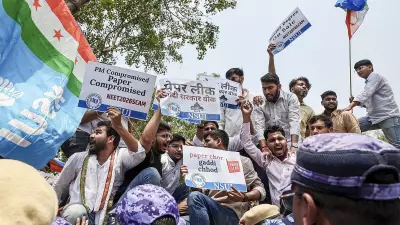
A major scandal has rocked Karnataka's education system with the leak of preparatory question papers for the upcoming Secondary School Leaving Certificate (SSLC) examinations. In a shocking turn of events, students themselves allegedly became vendors, selling the confidential papers on social media platforms for amounts ranging from Rs 200 to Rs 500. The police have made significant arrests, taking six teachers into custody and detaining two minor students in connection with the case.
How the SSLC Paper Leak Unfolded
According to preliminary investigations, the breach occurred when the confidential question papers were allegedly downloaded from a secure portal using the login credentials of teachers. These digital copies were then circulated among a network of students. Instead of keeping the information to themselves, some enterprising students saw a commercial opportunity. They began advertising and selling the leaked papers on popular social media apps, setting a price tag that many peers could afford, thus widening the spread of the leak exponentially.
The authorities were alerted to the malpractice after reports and digital footprints surfaced online. A special team was formed to track the source of the leak. The investigation zeroed in on the unauthorized access of the teachers' portal, leading to the immediate arrest of six teachers from different schools. Their alleged role in either facilitating the access or turning a blind eye is under scrutiny. Furthermore, two minor students have been detained for their active involvement in the distribution and sale of the papers.

Immediate Aftermath and Official Response
The incident, which came to light on 12 January 2026, has sent shockwaves through the state's academic and administrative circles. The SSLC exams are a critical milestone for students in Karnataka, and the integrity of the preparatory tests is essential for fair practice. The arrest of educators, who are entrusted with upholding academic honesty, has raised serious questions about systemic vulnerabilities and oversight.
Education department officials have condemned the incident and assured the public of a thorough probe. They emphasized that such actions undermine the hard work of honest students and damage the credibility of the examination system. Police are delving deeper into the network to identify all buyers and sellers involved, suggesting that more individuals could face legal consequences.
Broader Implications for Exam Security
This case highlights a modern and disturbing trend in academic fraud: the use of social media for instant, widespread distribution of leaked materials. It exposes gaps in the digital security protocols protecting sensitive exam materials. The incident is likely to prompt a major review of how login credentials for exam portals are managed and monitored, especially for personnel with access.
For lakhs of students preparing for the SSLC exams, this leak creates an uneven playing field and immense anxiety. The state government and examination board now face the challenging task of restoring confidence, potentially by considering fresh preparatory tests or implementing stricter surveillance for the main examinations. The scandal serves as a stark reminder of the persistent pressures and malpractices plaguing high-stakes testing systems in India.