Students Watch Film 'Border 2' in School, Sparking Educational Debate
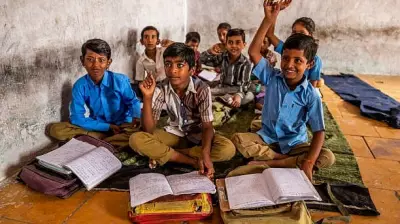
A recent event at a school in India has captured public attention after students were shown the film Border 2 during school hours. This screening has ignited a widespread debate among educators, parents, and policymakers regarding the film's suitability for young audiences and its potential educational merits.
Details of the School Screening
The screening took place as part of a school activity, with students from various grades gathered to watch the film. Border 2 is a sequel to the iconic 1997 war film Border, which depicted the Battle of Longewala during the 1971 Indo-Pakistani War. The sequel continues this narrative, focusing on themes of patriotism, sacrifice, and military valor.
School authorities organized the event with the intention of providing students with an immersive learning experience about historical events and national pride. They argued that such films can serve as powerful tools for teaching history and instilling values of courage and dedication among the youth.

Reactions and Controversies
The decision to screen Border 2 has elicited mixed reactions from different stakeholders. Supporters of the initiative praise it for making education engaging and relevant. They believe that visual media like films can enhance students' understanding of complex historical topics and foster a sense of national identity.
However, critics have raised concerns about the film's content, which includes intense war scenes and violent depictions. Some parents and child psychologists argue that such material may not be age-appropriate for all students, potentially causing distress or desensitizing young minds to violence. Additionally, there are questions about whether the film's portrayal of historical events is entirely accurate or if it leans towards dramatization for cinematic effect.
Educational Implications and Broader Context
This incident highlights a broader trend in education where schools are increasingly incorporating multimedia resources into their curricula. Proponents of this approach argue that films and other digital content can complement traditional textbooks by providing visual and emotional context, thereby improving retention and engagement.
On the other hand, skeptics emphasize the need for careful selection and vetting of such content. They suggest that schools should establish clear guidelines for screening films, considering factors like age-appropriateness, educational value, and parental consent. This debate touches on larger issues of media literacy and the role of entertainment in formal education settings.
Looking Ahead
As discussions continue, this event may prompt schools and educational boards to revisit their policies on using films and other media in classrooms. It underscores the importance of balancing innovation in teaching methods with the responsibility to protect and nurture young learners. Whether Border 2 becomes a case study for future educational practices or a cautionary tale remains to be seen, but it has certainly sparked a necessary conversation about modern pedagogy.