Ludhiana Teachers Issue Ultimatum to Government Over Promotion Test Mandate
In a significant development, teachers in Ludhiana have issued a stern warning to the government, demanding the immediate abolition of the mandatory state test requirement for promotions. The educators have made it clear that if their demands are not addressed promptly, they will escalate their ongoing protest to a more intense level. This move highlights growing discontent among teaching professionals regarding current promotion policies.
Background of the Mandatory State Test
The mandatory state test for promotions has been a contentious issue in the education sector for some time. Introduced as part of broader educational reforms, the test is designed to assess teachers' competencies and ensure quality in the profession. However, many teachers argue that it places undue pressure on them and does not accurately reflect their teaching abilities or dedication. The test has been criticized for being overly bureaucratic and disconnected from the practical realities of classroom teaching.
Teachers in Ludhiana have expressed frustration over the additional workload and stress caused by the test, which they say detracts from their primary focus on student education. They contend that promotions should be based on performance reviews, experience, and contributions to the school community rather than a single standardized exam. This sentiment has fueled the current protest, with educators calling for a more holistic approach to career advancement.

Details of the Protest and Demands
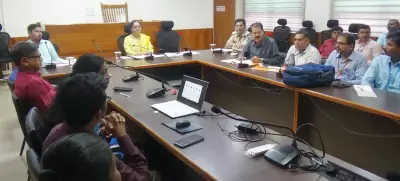
The protest, which has been ongoing for several weeks, has seen teachers organizing rallies, sit-ins, and meetings to voice their concerns. Key demands include:
- Abolition of the mandatory state test for promotions, with alternative assessment methods proposed.
- Implementation of a fair promotion system that considers factors such as teaching experience, student feedback, and professional development.
- Government dialogue to address teachers' grievances and involve them in policy-making processes.
Teachers have warned that if the government fails to act, they will intensify their stir by expanding protests to other districts, organizing larger demonstrations, and potentially considering work stoppages. This escalation could disrupt educational activities and draw wider attention to the issue.
Government Response and Implications
As of now, the government has not issued an official response to the teachers' ultimatum. However, sources indicate that education officials are monitoring the situation closely. The outcome of this protest could have significant implications for education policy in the region, potentially leading to reforms in promotion criteria and teacher welfare.
If the government chooses to engage with the teachers, it could pave the way for collaborative discussions on improving the promotion system. Conversely, ignoring the demands might result in prolonged unrest, affecting school operations and student learning. The situation underscores the need for balanced policies that support both teacher development and educational quality.
Broader Context and Future Outlook
This protest in Ludhiana is part of a larger trend of teacher activism across the country, where educators are increasingly advocating for better working conditions and fair career progression. Similar issues have been raised in other states, highlighting systemic challenges in the education sector.
Moving forward, stakeholders, including government bodies, teacher unions, and educational experts, will need to work together to find sustainable solutions. The focus should be on creating a promotion system that is transparent, equitable, and supportive of teacher growth, ultimately benefiting the entire education ecosystem. The teachers' threat to intensify their stir serves as a critical reminder of the importance of addressing such concerns proactively.