Tele Manas Helpline Reports Drastic Decline in Calls Following Inter Results
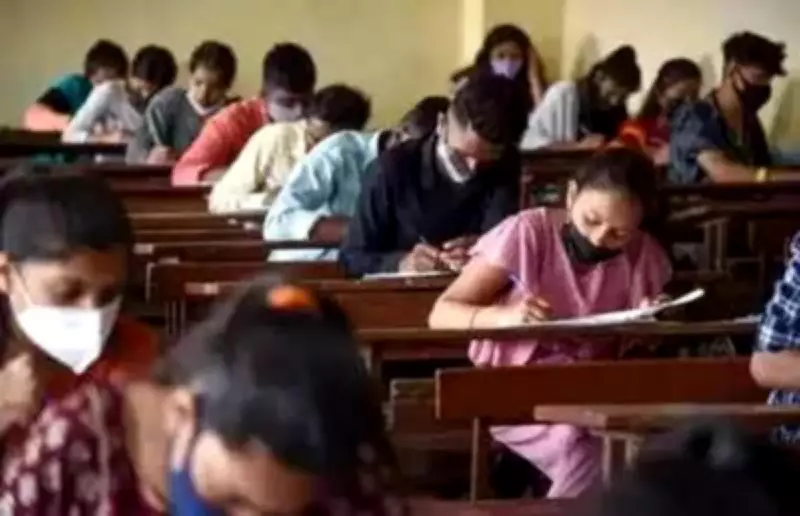
In a surprising development, Tele Manas, the government-operated mental health support helpline, witnessed a significant reduction in call volume immediately after the announcement of the Intermediate (Inter) examination results on a Sunday. According to officials, the helpline received merely 20 to 25 calls, a stark contrast to previous years. Psychologists manning the lines observed that the majority of callers were students, but their inquiries were largely focused on practical guidance rather than expressions of extreme emotional distress.
Call Volume Plummets Compared to Previous Year
P. Jawaharlal Nehru, a representative from Tele Manas, highlighted the dramatic drop, stating, "When compared with last year, we received at least five times fewer calls. Last year, we got over 120 calls, whereas this time, we did not even receive 30." This notable decrease suggests a shift in student and parental attitudes towards academic performance. Nehru further commented that this trend might indicate a positive change, with the current generation appearing less preoccupied with marks and parents exerting reduced pressure on their children.
Nature of Inquiries Shifts from Distress to Practical Concerns
Contrary to expectations of heightened anxiety post-results, the helpline did not field any calls indicating severe distress or crisis situations. Instead, the queries predominantly revolved around administrative and academic matters. These included questions about supplementary examination dates, syllabus details, and reverification procedures. This shift underscores a move away from panic-driven reactions towards more pragmatic approaches to academic setbacks.

Awareness and External Factors May Influence Call Numbers
Some experts pointed out that the lower call volume could also be attributed to a lack of awareness about the helpline's services. Unlike the previous year, when numerous educational websites featured pop-up advertisements encouraging students to seek help for stress and anxiety, such prompts were largely absent this time. This reduction in proactive outreach might have contributed to fewer students reaching out for support.
Implications for Mental Health and Academic Culture
The reduced reliance on Tele Manas post-exam results could be interpreted as a sign of evolving mental health resilience among students. It suggests that either students are developing better coping mechanisms or that the societal emphasis on exam outcomes is diminishing. However, it also raises questions about whether those in genuine need are accessing appropriate resources. The helpline's experience this year highlights a complex interplay between changing attitudes, awareness campaigns, and the actual mental health needs of students in the aftermath of high-stakes examinations.