In a significant endorsement, UNESCO has highlighted Odisha's innovative approach to tribal education, which uses children's mother tongues as the foundation for learning, as a model for other Indian states to follow. The global body's latest State of the Education Report for India 2025, titled 'Bhasa Matters', specifically commends the state's mother tongue-based multilingual education (MTB-MLE) programme.
Odisha's Pioneering Multilingual Education Model
The UNESCO report notes that Odisha was a pioneer in introducing MTB-MLE in early grades for tribal children, starting in the 2007-08 academic year. This initiative, a collaboration between the state's school and mass education department and the ST & SC development department, has now evolved into one of India's most transformative multilingual education projects.
The core principle is simple yet powerful: children in classes I to III are taught in their native tribal language. Only after this strong foundational base is established are Odia and English gradually introduced as language subjects. According to the report, this method leads to markedly improved comprehension and knowledge retention among students, easing their later transition to regional and national languages.

Scale and Implementation Across the State
The reach of Odisha's programme is extensive. It currently covers 22 distinct tribal languages across 17 districts, placing it among the states with the highest coverage in the country. The model is implemented in schools where more than 90% of students belong to a particular tribal language group.
An interesting linguistic detail highlighted is that among these 22 languages, only Santhali has its own script, called Ol Chiki. For all other tribal languages, textbooks are written in the Odia script while the content remains in the tribal tongue. This pragmatic approach facilitates material development and teacher training.
Official Recognition and Future Steps
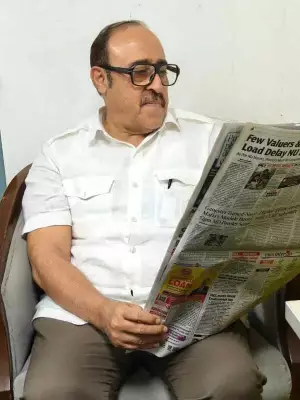
N Thirumala Naik, Commissioner-cum-Secretary of the School and Mass Education Department, emphasized that the state's focus has consistently been on strengthening foundational learning for tribal children by leveraging their home language. He also revealed a crucial next step: the recruitment process for MLE teachers proficient in these tribal languages has been initiated, and appointments will commence shortly.
UNESCO's recognition solidifies Odisha's position at the forefront of inclusive education in India. By prioritizing mother tongues in early schooling and maintaining them as subjects in higher classes, the state's language policy offers a proven blueprint for enhancing educational equity and quality for tribal communities nationwide.