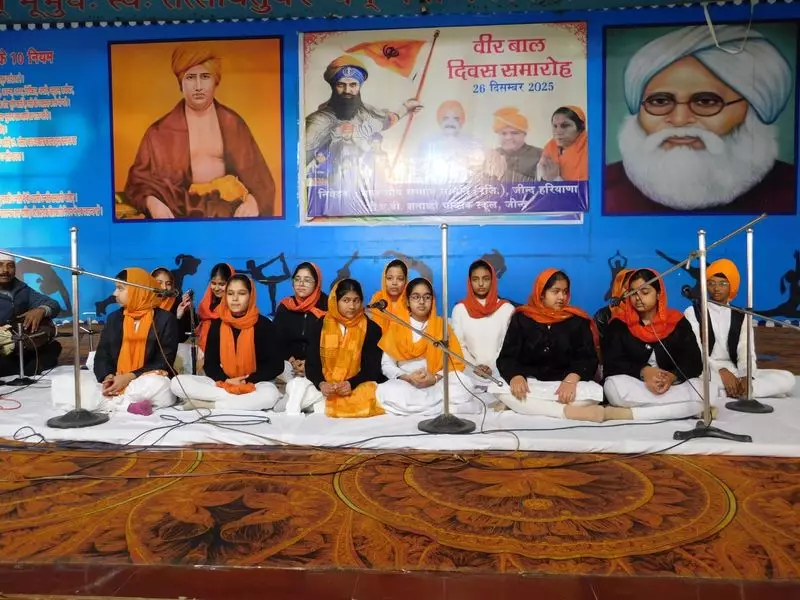
Schools across India came together on Tuesday, December 26, to observe Veer Bal Diwas, a solemn day dedicated to the memory of the supreme sacrifice made by the young sons of the tenth Sikh Guru, Gobind Singh. The day marks the martyrdom of Sahibzada Zorawar Singh and Sahibzada Fateh Singh, who were executed on the orders of the Mughal governor Wazir Khan in Sirhind.
Nationwide Observance in Educational Institutions
Educational institutions from various states organized special assemblies and events to pay homage to the courage of the Sahibzadas. In many schools, the day began with prayers and hymns (shabads) from the Guru Granth Sahib, setting a reverent tone for the proceedings. Students and teachers actively participated in these gatherings, reflecting on the values of bravery and righteousness embodied by the young martyrs.
Key activities included speeches by students and faculty members, where they narrated the historical context and the unwavering faith of the Sahibzadas. The central theme across all events was the unparalleled sacrifice of the children, who chose death over renouncing their faith at the tender ages of nine and seven. Many schools also held poetry recitations and essay writing competitions centered on the ideals of sacrifice and courage.

Historical Significance and the Message for Youth
The observance of Veer Bal Diwas serves as a powerful reminder of a pivotal moment in Sikh history. Following the Battle of Chamkaur, Guru Gobind Singh's mother, Mata Gujri, and his two younger sons were captured. Despite being offered riches and safe passage if they converted to Islam, the Sahibzadas remained steadfast. Their legacy is a testament to spiritual conviction and fearlessness from a very young age.
School authorities emphasized that the day is not merely a historical remembrance but a source of inspiration for contemporary youth. The story of Sahibzada Zorawar Singh and Sahibzada Fateh Singh teaches lessons in integrity, moral courage, and standing up for one's beliefs against all odds. Educators highlighted how these values are essential in today's world, encouraging students to draw strength from such examples in their own lives.
Activities and Student Engagement
Beyond assemblies, schools curated a range of engaging activities to deepen students' understanding. Common events included:
- Special Prayer Meetings: Devotional sessions focusing on the teachings of the Gurus.
- Narrative Sessions: Teachers and invited speakers detailed the events leading to the martyrdom at Sirhind.
- Art and Cultural Expressions: Students created posters, paintings, and performed short plays (skits) depicting the valor of the Sahibzadas.
- Discussions and Debates: Forums were held where students discussed the relevance of such sacrifices in modern society.
The widespread participation underscored the day's importance in the national educational calendar. It provided a platform for students of all backgrounds to learn about a significant chapter in India's history and the universal values it represents. The collective observance reinforced the message that the courage of the young Sahibzadas continues to inspire generations, urging the youth to live with principle and bravery.