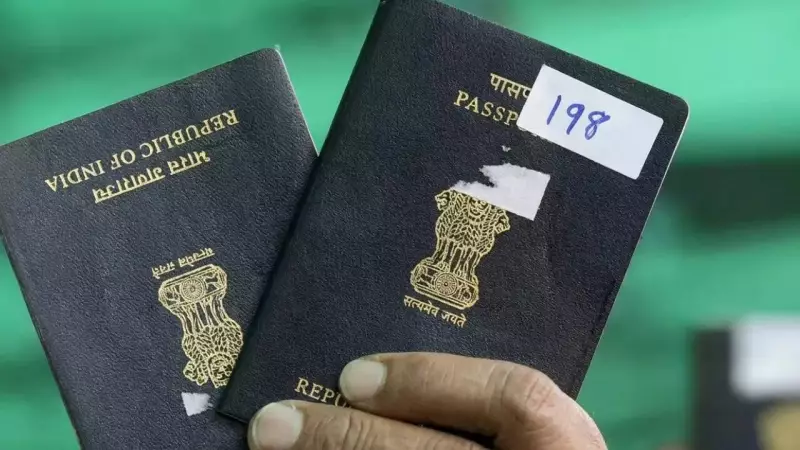
Kunal Kushwaha, a prominent Indian-origin technology educator and developer advocate, has sparked a widespread conversation after sharing a candid personal account of the practical limitations he faces due to his Indian passport. His viral post on social media platform X details the bureaucratic maze that frequently disrupts his international travel for work and personal reasons.
The Berlin to Ireland Dilemma: A Missed Birthday
Kushwaha recently described a poignant example of these constraints. After a work trip to Berlin, he wished to fly to Ireland to surprise his best friend on their birthday. However, what should have been a simple decision of booking a flight turned into an impossible task. He found there was insufficient time to apply for the necessary separate visa. Instead of a joyful reunion, he spent hours navigating complex visa application websites, ultimately unable to make the trip. This episode, he noted, perfectly illustrates how routine travel becomes unnecessarily complicated for Indian citizens.
The Exhausting Reality of Constant Paperwork
In his detailed post, Kushwaha painted a familiar picture for many Indian travelers: standing in long immigration queues at airports while passengers from other nations pass through swiftly. He stated that he often carries thick folders of documents—bank statements, cover letters, detailed itineraries—that he has submitted countless times before. Applying for a Schengen visa, he remarked, feels like a part-time or even full-time job in itself, requiring justification for even ordinary business or leisure trips.

"I’m not angry. I’m tired," Kushwaha wrote, emphasizing that his frustration is rooted in practical exhaustion rather than emotional grievance. He made a clear distinction, stressing that a sense of national pride does little to reduce the significant mental load and time required to manage constant, repetitive paperwork.
Broader Implications: Passport Power and Professional Life
The discussion moved beyond personal inconvenience to address wider systemic issues. Kushwaha pointed to India's position on global mobility indexes, where it ranks low and offers visa-free access to relatively few countries. He argued that these abstract rankings translate into real and tangible constraints for Indian professionals who need to travel frequently for work, international conferences, and global collaborations. The barriers, he suggested, hinder seamless professional engagement on the world stage.
The post resonated deeply, with numerous replies sharing similar stories of visa appointment delays, short validity periods, and persistent uncertainty—even for seasoned travelers with established international careers.
Kushwaha also extended his observations to other facets of life in India that contribute to "everyday friction." He mentioned the declining value of investments due to the rupee's fluctuation, alongside challenges like air pollution and outdated banking and KYC processes. His narrative collectively highlighted the extra layers of effort required from Indians operating in a global context, both at home and abroad.