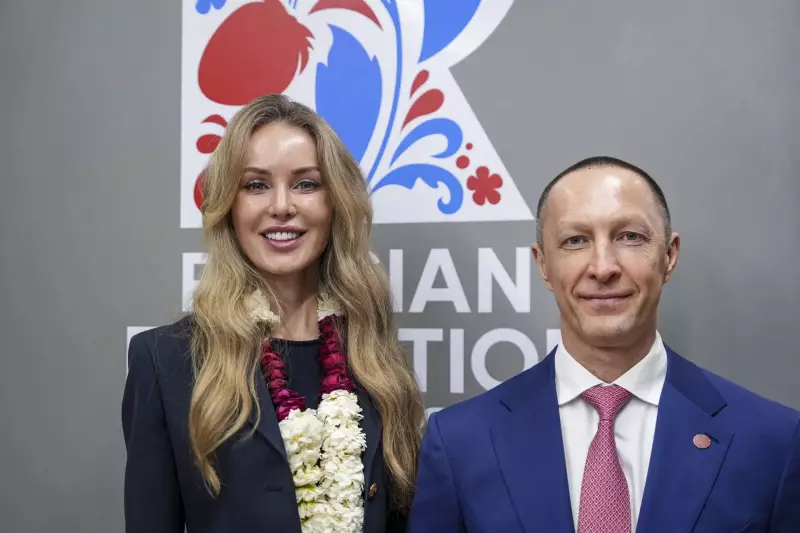
In a significant move to strengthen academic ties, the Russian Education Agency officially inaugurated its branch office in New Delhi on Thursday. The event marked a concrete step towards fostering a deeper educational and innovation-driven partnership between the two nations.
From Academic Exchange to Innovation Partnership
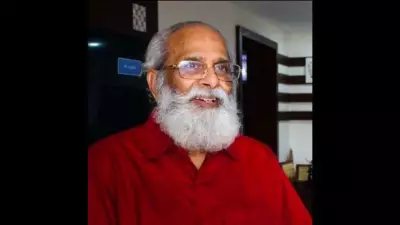
During the launch, Natalia Popova, First Deputy CEO of the Russian innovation company Innopraktika, provided a compelling vision that looked beyond mere administrative formalities. She framed the opening as the start of a substantive collaboration powered by student mobility, joint research, and shared technological goals.
Popova reflected on a long history of successful educational exchange, noting that Indian students in Russia have historically excelled in fields like medicine, engineering, and technology. She stated that this proven track record offers a solid foundation for expanding cooperation. These alumni, she argued, often become vital connectors, linking startups and high-tech industries across India and Russia and building a level of professional trust that formal diplomacy alone cannot achieve.

Students as Architects of Future Tech Collaboration
Popova emphasized a clear conviction: the next wave of Indian students will be decisive in shaping the future of Indo-Russian relations. She explained that students trained in Russia's robust scientific and engineering systems are uniquely positioned to contribute to the innovation ecosystems of both countries.
Her assessment was direct: the academic mobility seen today will evolve into a powerful network of tomorrow's researchers, entrepreneurs, and technologists. This network, she suggested, will be capable of co-developing cutting-edge solutions in critical sectors such as space technology, information technology, cybersecurity, and advanced engineering.
Converging Strengths for a Complementary Alliance
While acknowledging Russia's historic legacy in space exploration and nuclear science, Popova placed equal importance on India's current dynamic growth. She pointed to India's rapidly expanding startup landscape, private space sector initiatives, and cybersecurity expertise as areas that perfectly align with Russia's own appetite for collaborative projects.
This convergence, she argued, sets the stage for a balanced partnership. Russian universities offer deep technical heritage and research rigor, while India contributes vast scale, soaring ambition, and a significant demographic dividend of young, skilled talent ready to learn and innovate.
Popova sent a clear signal of openness, stressing that Russian institutions are prepared to welcome more Indian students across a wide array of disciplines. The academic and industrial systems in Russia are ready to integrate and nurture this talent, viewing Indian students not as temporary visitors but as future contributors to ongoing scientific and technological advancements.
The new Delhi office, she concluded, is designed to make this pathway more accessible, organized, and responsive to global demands. Popova's overarching message was that educational exchange is no longer just about earning degrees; it is about building long-term, innovation-focused linkages that can shape the industries of the future, with students at the very heart of this transformative effort.