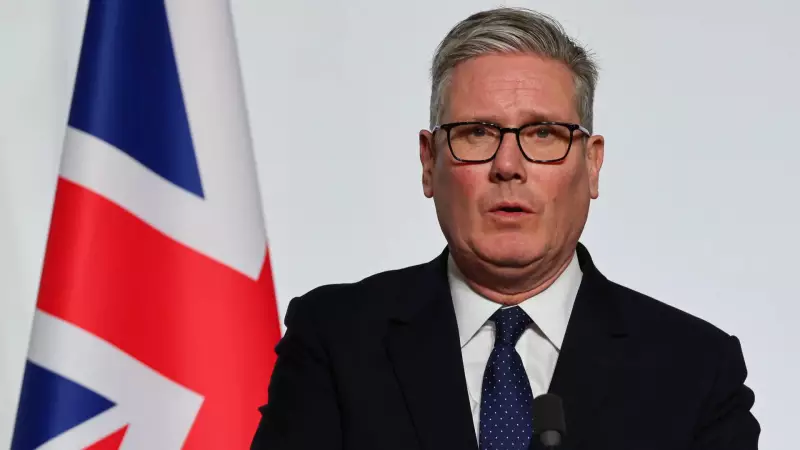
In a significant move impacting educational ties, the United Arab Emirates (UAE) has deliberately restricted government funding for its citizens wishing to study at British universities. This decision, revealed in a revised scholarship list for June 2025, underscores growing diplomatic tensions centred on the UK's perceived stance towards Islamist groups.
UK Universities Stripped from Approved List
According to a report in The Financial Times, the UAE's Ministry of Higher Education published an updated list of international universities eligible for state scholarships. While institutions from the United States, Australia, France, and Israel made the cut, British universities were conspicuously absent. Officials confirmed to UK representatives that this omission was intentional and not an administrative error.
The core issue, as explained by sources familiar with the discussions, is Abu Dhabi's concern about potential Islamist radicalisation on UK campuses. A person with direct knowledge stated the UAE's position plainly: “They don’t want their kids to be radicalised on campus.” In response, UK officials stressed the principle of academic freedom.

It is crucial to note that this is not a complete ban. The policy limits federal funding, but wealthier Emirati families can still send children to UK universities at their own expense. State funding remains available for studies in other approved countries. Students already enrolled in British institutions continue to receive support, but new applicants face limited or no government aid.
Tangible Impact on Student Numbers
The policy shift has had an immediate and sharp effect. Official data shows that in the year ending September 2025, only 213 Emirati students were granted UK study visas. This marks a 27% decrease from the previous year and a staggering 55% decline from 2022 levels.
Beyond scholarships, the UAE has added another layer of deterrence. It has declared that qualifications from universities not on its approved list—which now includes most British institutions—will not be recognised within the UAE. This drastically reduces the value of a UK degree for Emirati students planning to work or pursue further studies back home.
Roots in Radicalisation Concerns and Broader Tensions
The UAE's action is deeply intertwined with its long-standing campaign against political Islam, particularly the Muslim Brotherhood. Since the 2011 Arab uprisings, the UAE has enforced strict domestic controls and sought to curb Islamist influence across the region. Under President Sheikh Mohammed bin Zayed al-Nahyan, the Emirati leadership has repeatedly questioned the UK's decision not to ban the Brotherhood.
UK government data from the 2023-24 academic year adds context to these fears. It shows that 70 university students were referred to the Prevent deradicalisation programme for signs of “Islamist radicalisation,” nearly double the figure from the year before. While some UK academics downplay the scale of activity, they acknowledge that events like the Israel-Gaza conflict have heightened campus tensions.
The UK's official stance, following a 2015 review, is that the Muslim Brotherhood has not been linked to terrorism in Britain. The current administration under Prime Minister Keir Starmer says the matter remains under “close review.” Notably, Reform UK leader Nigel Farage, whose 2025 visit to the UAE was government-funded, has pledged to ban the group if he comes to power.
This educational rift forms part of wider UK-UAE strains, including past disputes over Abu Dhabi's attempted acquisition of The Daily Telegraph, allegations of UAE involvement in Sudan, and legal issues involving the Emirati-owned Manchester City football club. Despite these frictions, British universities like Manchester and Heriot-Watt continue to operate campuses in Dubai, highlighting the complex and multifaceted nature of the bilateral relationship.