American universities are actively redesigning their academic frameworks to attract and better serve the growing number of students from India. Moving beyond traditional four-year degree models, these institutions are now offering accelerated programs, forging deeper research collaborations, and establishing direct recruitment channels to create more accessible and relevant pathways for Indian talent.
Beyond the Four-Year Degree: New Academic Models
A significant shift is the growing acceptance and promotion of three-year undergraduate degrees from India. Previously a hurdle for admissions into postgraduate programs, many US universities now explicitly recognize these credentials. This change, highlighted by educational experts, removes a major barrier and streamlines the application process for lakhs of Indian graduates.
Furthermore, universities are launching specialized, shorter-duration programs tailored for the Indian market. A prime example is the Master of Science in Engineering program offered by a consortium led by Purdue University. This initiative allows students to complete the first year of their master's at a partner Indian institution like the Indian Institute of Technology (IIT) Madras or the Indian Institute of Science (IISc) Bengaluru, before finishing their degree in the United States. This model reduces the overall cost and eases the transition for students.

Strategic Partnerships and Direct Engagement
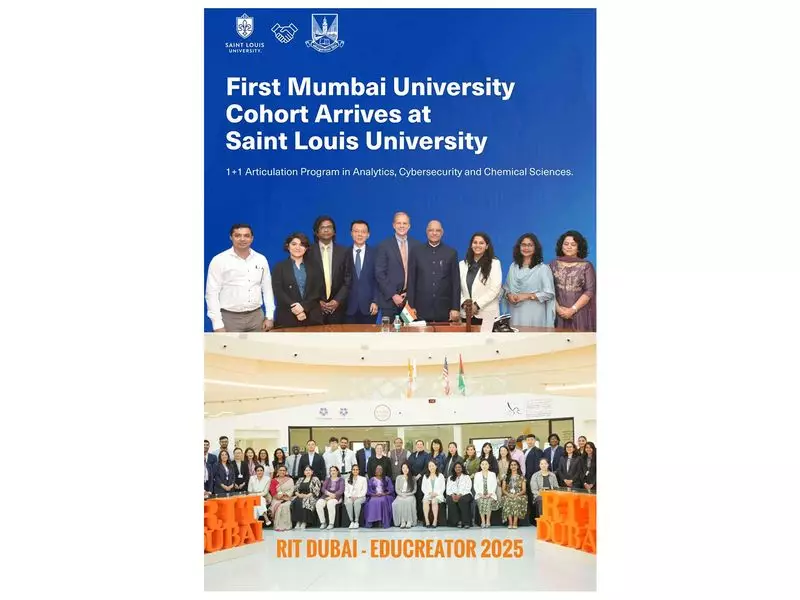
The outreach is becoming more strategic and institutional. Rather than relying solely on student applications, US universities are proactively building bridges. They are establishing formal research and academic partnerships with top Indian universities and technical institutes. These collaborations often involve faculty exchange, joint research projects, and tailored articulation agreements that guarantee admission for qualified students.
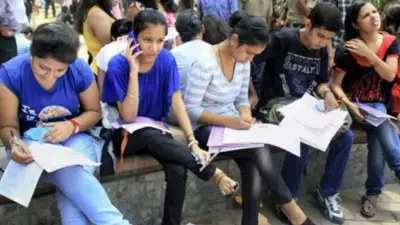
Recruitment efforts have also intensified and moved upstream. University delegations are now frequent visitors to Indian campuses, engaging directly with undergraduates to guide them on suitable postgraduate options. Career fairs and dedicated recruitment tours targeting Indian students have become commonplace, with universities showcasing their unique programs, scholarship opportunities, and career support services.
The underlying motivation is clear: Indian students represent a vital and high-achieving cohort for the US higher education system. They contribute significantly to campus diversity, research output, and the academic ecosystem. By creating more flexible and affordable pathways, US institutions aim to secure a strong pipeline of this talented student population amidst global competition from countries like Canada, Australia, and the UK.
Focus on Professional Outcomes and Employability
Understanding the career aspirations of Indian students, US universities are placing greater emphasis on professional outcomes. Academic programs are increasingly being designed with industry input to ensure they impart skills relevant to the current job market, particularly in STEM (Science, Technology, Engineering, and Mathematics) fields.
There is a notable rise in programs that incorporate practical training, internships, and optional practical training (OPT) opportunities. Universities are strengthening their career service centres to support international students in securing placements. This focus on employability and post-study work opportunities is a key selling point for Indian families making substantial investments in overseas education.
The landscape of US higher education for Indian students is transforming. It is no longer just about gaining admission to a prestigious university. The new paradigm is built on accessibility, affordability, and alignment with professional goals. Through innovative degree structures, robust partnerships, and a clear focus on career success, US universities are systematically expanding the academic and professional horizons for India's brightest minds.