In a significant shift for the educational landscape of Punjab, a growing number of students from Jalandhar are turning their backs on foreign dreams and enrolling in local universities. This trend is directly linked to a sharp increase in visa rejections from popular study destinations like Canada and Australia, forcing a strategic rethink among aspiring graduates and their families.
The Visa Hurdle: Dreams Deferred
The primary catalyst for this change is the stringent visa approval process faced by Indian students. Consultants and educational advisors in Jalandhar report a noticeable spike in rejections, particularly for postgraduate courses. Countries that were once considered sure-shot destinations for higher education are now presenting formidable bureaucratic challenges. The financial and emotional investment in applications, including hefty consultancy fees and standardized test preparations, often ends in disappointment, leaving students in a lurch.
This wave of rejections has created a sense of uncertainty and frustration. Students who had meticulously planned for an international education, banking on the perceived value of a foreign degree, are now compelled to explore alternatives much closer to home. The risk of losing substantial application money and wasting an academic year has become a powerful deterrent.

Local Campuses See an Enrollment Surge
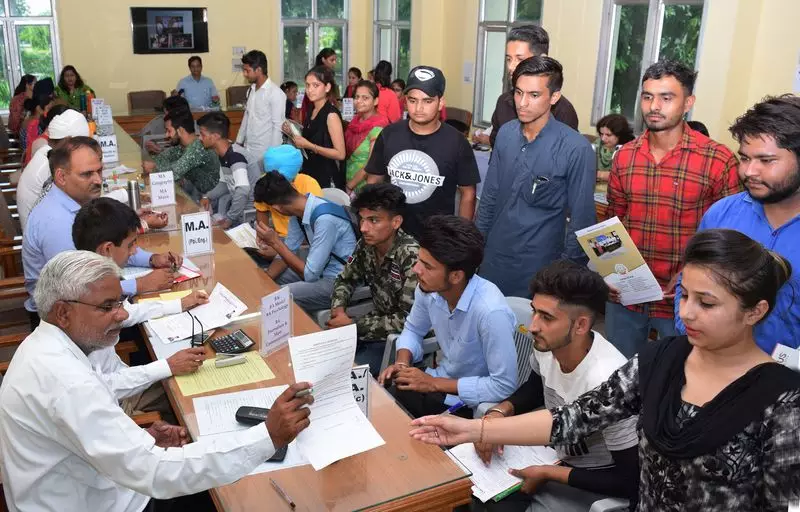
As a direct consequence, reputed local institutions are witnessing a surge in inquiries and admissions. Universities like Lovely Professional University (LPU) and DAV College in Jalandhar have become the new focal points for these students. The appeal lies in the quality of education, improved infrastructure, and the significant cost advantage compared to studying overseas.
Educational consultants in the city confirm this pivot. They note that students are now actively seeking information about strong domestic programs that can offer comparable career prospects. The narrative is shifting from "which country to apply to" to "which Indian university offers the best specialization." This is not merely a fallback option but increasingly seen as a strategic, cost-effective choice in an unpredictable global environment.
Broader Implications for Higher Education
This trend carries several important implications. Firstly, it represents a potential brain gain for the Indian higher education sector, as talented students choose to pursue their advanced studies within the country. It challenges the long-held notion that a foreign degree is inherently superior and encourages a reevaluation of the excellent academic infrastructure available domestically.
Secondly, it highlights the need for students and parents to conduct thorough, realistic research. Relying solely on the promise of education consultants can lead to dead ends. Experts advise students to have a robust Plan B that includes top-tier Indian universities. The situation also underscores the volatile nature of international immigration policies, which can alter life plans overnight.
For cities like Jalandhar, known for its aspirational youth, this could mean a more stable and sustainable educational ecosystem. Local economies may benefit from retaining student spending, and universities are incentivized to further enhance their offerings to meet this new demand.
In conclusion, the visa barriers erected by Western nations are inadvertently fostering a renewed confidence in India's own educational institutions. While the dream of studying abroad persists, practical hurdles are carving a new path for Jalandhar's students—one that leads to the thriving campuses in their own backyard. This recalibration may well strengthen the foundation of higher education in Punjab for the long term.