Andhra University's Surprising Origins in Vijayawada Unveiled
As Andhra University marks its centenary celebrations this year, a little-known historical fact emerges: the prestigious institution was first established in Vijayawada before its relocation to Visakhapatnam. Founded in 1926 under British administration, the university appointed Cattamanchi Ramalinga Reddy, widely known as C R Reddy, as its inaugural vice-chancellor.
Historical Context and Regional Demands
According to historical accounts, the formation of Andhra University stemmed from significant demands by the Telugu-speaking population in the Andhra region, which was then part of the Madras Presidency. Despite approval for its establishment, intense debates arose between the Andhra and Rayalaseema regions over the university's location.
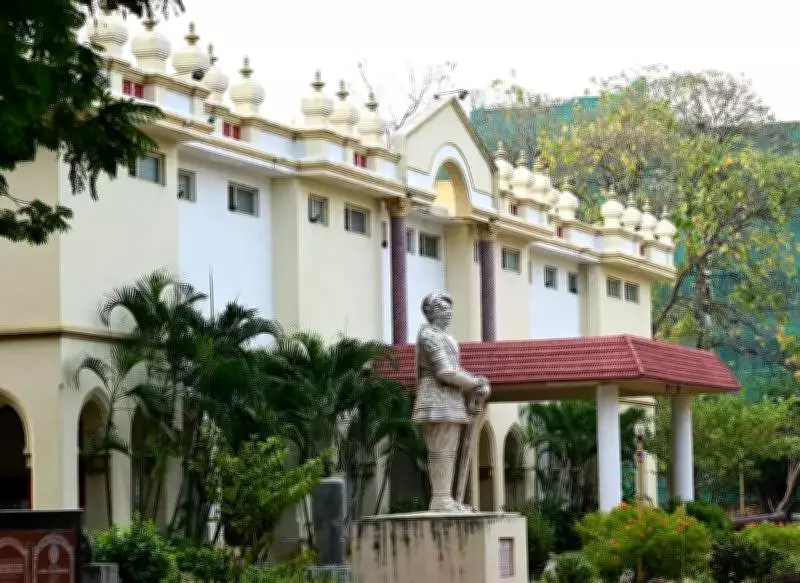
After extensive deliberations, Vijayawada was chosen as the initial site. The university commenced operations in one of the Victoria Museum buildings, now recognized as the Bapu Museum, with C R Reddy serving as the founder chairman. Historian Sai Papineni notes that while administrative functions began here, academic activities only commenced after the move to Visakhapatnam.

Legislative Hurdles and the Shift to Visakhapatnam
K V N Rao, author of 'Andhra Pradesh History', points out that legislative challenges persisted in starting a study center in Vijayawada even after the university's inception. In 1927, a government-appointed select committee recommended relocating the university to Anantapur. However, C R Reddy advocated for Waltair in Visakhapatnam, aiming to develop a residential university model.
Ultimately, in 1929, the university was transferred to Waltair, Visakhapatnam. This decision deprived Vijayawada of a monumental opportunity to evolve into the state's educational epicenter over a century ago, a loss that has had lasting implications.
Broader Implications for Vijayawada's Development
The relocation of Andhra University provided Visakhapatnam with a strategic advantage, enabling it to flourish as the intellectual hub of the state. This was not an isolated incident of missed potential for Vijayawada.
Writer Bandla Madhav Rao highlights that in 1953, following the formation of Andhra state from Madras state, initial proposals designated Vijayawada as the capital. However, the capital was shifted to Kurnool and later to Hyderabad. Despite its central location, equidistant from all regions, and its development as a major trade center, Vijayawada gradually lost its prominence over the years due to these decisions.
In summary, the centenary of Andhra University brings to light a pivotal chapter in Andhra Pradesh's history, underscoring how Vijayawada's early roles in education and governance were overshadowed by subsequent relocations, shaping the regional landscape we see today.