Bihar Government Announces Major Education Expansion with 213 New Degree Colleges
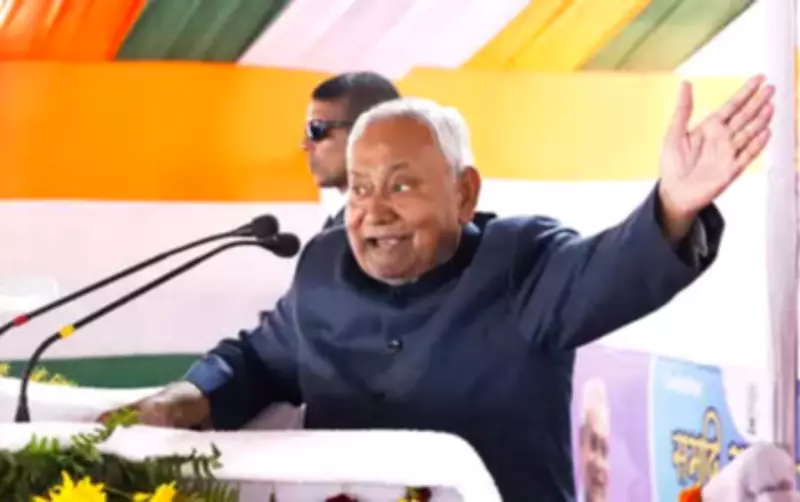
In a significant move to enhance higher education accessibility across Bihar, Chief Minister Nitish Kumar on Wednesday unveiled ambitious plans to establish degree colleges in 213 blocks currently lacking such facilities. The announcement, made through the CM's official social media platform, represents a major step toward educational equity in the state.
Addressing Educational Gaps Across Bihar's Blocks
Bihar currently comprises 534 administrative blocks, with only 321 possessing degree colleges either as constituent institutions or through affiliation with universities. This leaves a substantial gap of 213 blocks without accessible higher education options for local students. The government's decision directly targets this disparity, ensuring that every block will eventually have at least one degree college.
The initiative forms a crucial component of the Saat Nishchay-3 program, the government's development blueprint for the 2025-30 period. Specifically, it addresses the fourth resolve of this program: 'Unnat Shiksha – Ujjwal Bhavishya' (developed education, bright future). According to the Chief Minister's statement, this comprehensive approach aims to make higher education readily available to all students, with particular emphasis on improving access for female students.

Immediate Implementation and Phased Rollout
Remarkably, the government has set an aggressive timeline for implementation. "Teaching activities in these new colleges will commence from July this year in the first phase," the CM confirmed in his social media post. This rapid deployment underscores the administration's commitment to addressing educational infrastructure gaps without unnecessary delay.
The Chief Minister elaborated on the rationale behind this urgent approach: "Even today, 213 of the 534 blocks do not have either a constituent or an affiliated college. Accordingly, we have issued the direction to open a degree college in each of the 213 blocks." This directive represents one of the most substantial educational infrastructure expansions in recent Bihar history.
Transforming Existing Institutions into Centers of Excellence
Parallel to establishing new colleges, the government has announced plans to upgrade 55 existing educational institutions into centers of excellence. This complementary initiative focuses on modernizing and revitalizing established institutions with proven track records.
The selection process has identified 55 reputed educational institutions across Bihar for this transformation. The renovation and development work will proceed systematically, with careful planning to maximize impact. The government has emphasized a consultative approach, stating: "The directive has been issued to move forward on executing the plan after having consultation with their old experienced teachers and students and eliciting suggestions from them."
Expected Impact on Students and State Development
The combined initiatives promise substantial benefits for Bihar's educational landscape and socioeconomic development. Once operational, the new degree colleges will dramatically improve geographical access to higher education, particularly benefiting students in remote areas who previously had to relocate for college education.
The centers of excellence initiative aims to provide employment-oriented education that aligns with contemporary market demands. According to the government statement: "The development of reputed educational institutions into centers of excellence will help youth receive employment-oriented education, restore their glory, and contribute to the overall development of the state."
This dual approach—expanding access while enhancing quality—represents a comprehensive strategy to address both quantitative and qualitative aspects of higher education in Bihar. The initiatives particularly emphasize gender equity, with specific mention of improving educational opportunities for girls across the state.

As Bihar prepares for this educational transformation, the successful implementation of these plans could serve as a model for other states seeking to balance educational expansion with quality enhancement. The coming months will be crucial as the government works to translate these announcements into functional institutions that can genuinely transform educational access and outcomes across Bihar.